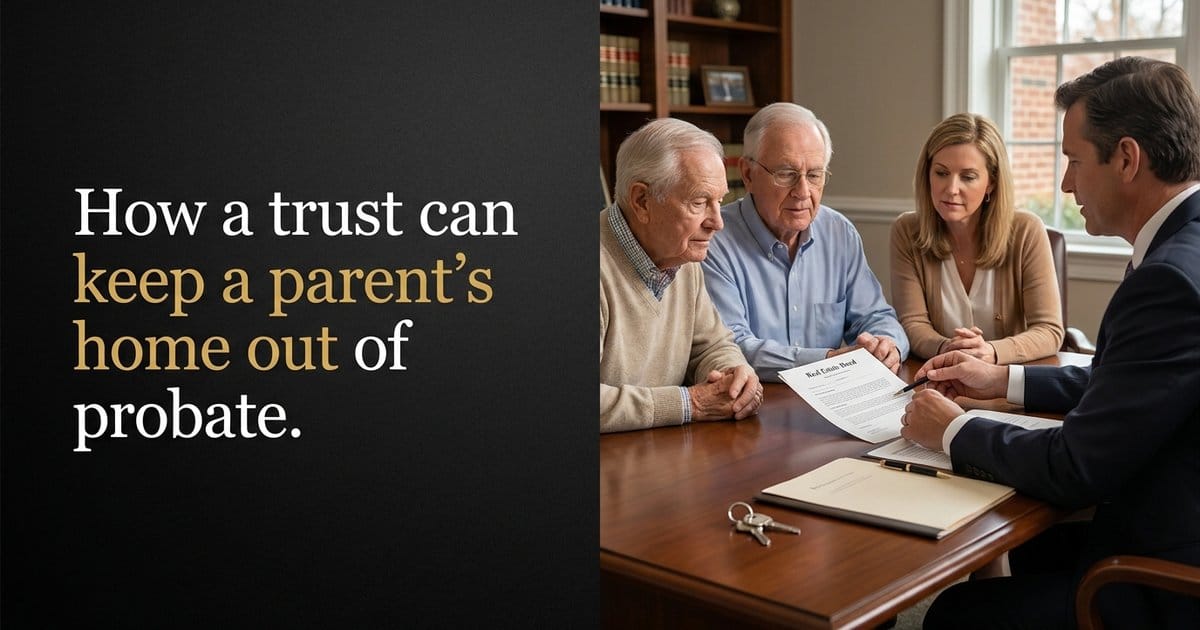

Transfer on death deeds provide a straightforward way to pass real estate to beneficiaries without the complexity of probate court. These legal documents allow property owners to designate who receives their real estate automatically upon death, creating a direct path for property transfer that bypasses traditional estate administration.
How Do Transfer on Death Deeds Work?
A transfer on death deed functions as a revocable beneficiary designation for real estate. The property owner retains full control during their lifetime, including the right to sell, mortgage, or modify the property. The deed only takes effect upon the owner’s death, at which point the designated beneficiary receives the property automatically.
The process requires filing the deed with the county recorder’s office where the property is located. Unlike traditional deeds, transfer on death deeds do not immediately transfer ownership. Instead, they create a future interest that activates only when specific conditions are met.
What States Allow Transfer on Death Deeds?
Currently, about 30 states plus the District of Columbia recognize transfer on death deeds for real estate. These states include Arizona, Arkansas, California, Colorado, Hawaii, Illinois, Indiana, Kansas, Minnesota, Missouri, Montana, Nevada, New Mexico, North Dakota, Ohio, Oklahoma, Oregon, South Dakota, Texas, Utah, Virginia, Washington, West Virginia, Wisconsin, and Wyoming.
Each state has specific requirements for creating valid transfer on death deeds. Some states call them beneficiary deeds or transfer on death instruments, but the function remains essentially the same across jurisdictions.
Why Choose Transfer on Death Deeds Over Other Options?
Transfer on death deeds offer several advantages over traditional estate planning methods. They provide immediate property transfer without probate delays, which can save months or years of court proceedings. The beneficiary receives the property with a stepped-up tax basis, potentially reducing capital gains taxes on future sales.
These documents also maintain privacy since they avoid public probate records. Property owners retain complete control during their lifetime, unlike irrevocable trusts that require giving up ownership rights. The simplicity and lower cost compared to creating trusts make transfer on death deeds attractive for straightforward property transfers.
For comprehensive estate planning beyond real estate, many property owners combine transfer on death deeds with revocable trusts to manage other assets effectively.
What Are the Limitations of Transfer on Death Deeds?
Transfer on death deeds have important limitations that property owners should understand. They only work for real estate and cannot transfer other assets like bank accounts or investments. If the designated beneficiary dies before the property owner, the deed becomes ineffective unless alternate beneficiaries are named.
These deeds also do not address potential complications like outstanding mortgages, property taxes, or maintenance responsibilities. Beneficiaries receive the property subject to existing liens and debts, which could create financial burdens.
Multiple beneficiaries can complicate matters if they disagree about property management or sale decisions. Unlike trusts, transfer on death deeds provide no ongoing management structure for handling such disputes.
How Do Transfer on Death Deeds Compare to Other Estate Planning Tools?
Transfer on death deeds serve a specific purpose within broader estate planning strategies. While they excel at simple property transfers, they lack the comprehensive asset management capabilities of trusts. Trusts and wills provide more flexibility for complex family situations and multiple asset types.
Joint tenancy with right of survivorship offers similar probate avoidance but requires giving up individual control during the owner’s lifetime. Life estate deeds create immediate ownership interests but cannot be easily revoked.
Understanding what probate involves helps property owners appreciate why transfer on death deeds can be valuable tools for avoiding court supervision of property transfers.
Transfer on death deeds work best for property owners with straightforward transfer goals and clear beneficiary choices. They complement other estate planning documents rather than replacing comprehensive planning strategies that address all assets and family circumstances.