SimplyTrust
SimplyTrust
Create a TrustNewForms & ToolsFreeResourcesStates
LoginGet started
ArticlesArticlesNewsNewsLife EventsLife EventsFinancial AssetsFinancial Assets
ArticlesNewsLife EventsFinancial Assets
Company
AboutCareersContactFormsCreate a TrustNew
Privacy PolicyTerms of ServiceSecurityAI Access

© 2026 SimplyTrust Software Inc.

SimplyTrust Logo

Every family deserves a plan. We'll help.

Get startedApp StoreGoogle Play

Forms

  • Revocable Trust
  • Last Will
  • Pour-Over Will
  • Healthcare Proxy
  • Financial POA
  • Transfer on Death Deed

Tools

  • Trust vs Will
  • Probate Calculator
  • Who Inherits
  • Estate Settlement
  • Death Tax Calculator
  • Life Insurance

Learn

  • Revocable Living Trusts
  • Last Will and Testaments
  • Articles
  • State Guides
  • Estate Law
  • Life Events

Directories

  • Law Firms
  • Financial Assets
  • Digital Assets
  • Government Agencies

Company

  • About
  • Careers
  • Contact
  • Create a Trust

SimplyTrust is not a law firm and does not provide legal advice, legal counsel, or attorney review. Information on this platform is for general informational purposes only. Use of SimplyTrust does not create an attorney-client relationship. You are solely responsible for all documents you create. For advice tailored to your circumstances, consult a licensed attorney in your state.

© 2026 SimplyTrust Software Inc. All rights reserved.

Privacy Policy·Terms of Service·Security··AI Access

All content, data, and calculations are proprietary. Automated scraping, systematic downloading, or data extraction is prohibited under our Terms of Service. Product visuals are simulated for illustrative purposes and may differ from actual experience. Logos provided by Logo.dev.

A will is a wish. A trust is a plan.

Create and manage your trust online.

How it works

No probate. No public record. No court.

Estate Ledger

Every decision signed, timestamped, and hashed

Pricing

Simple, transparent pricing

Download

Get the app on iOS and Android

Home→News→Calls to Eliminate Estate Tax Spark New Tax Discussions
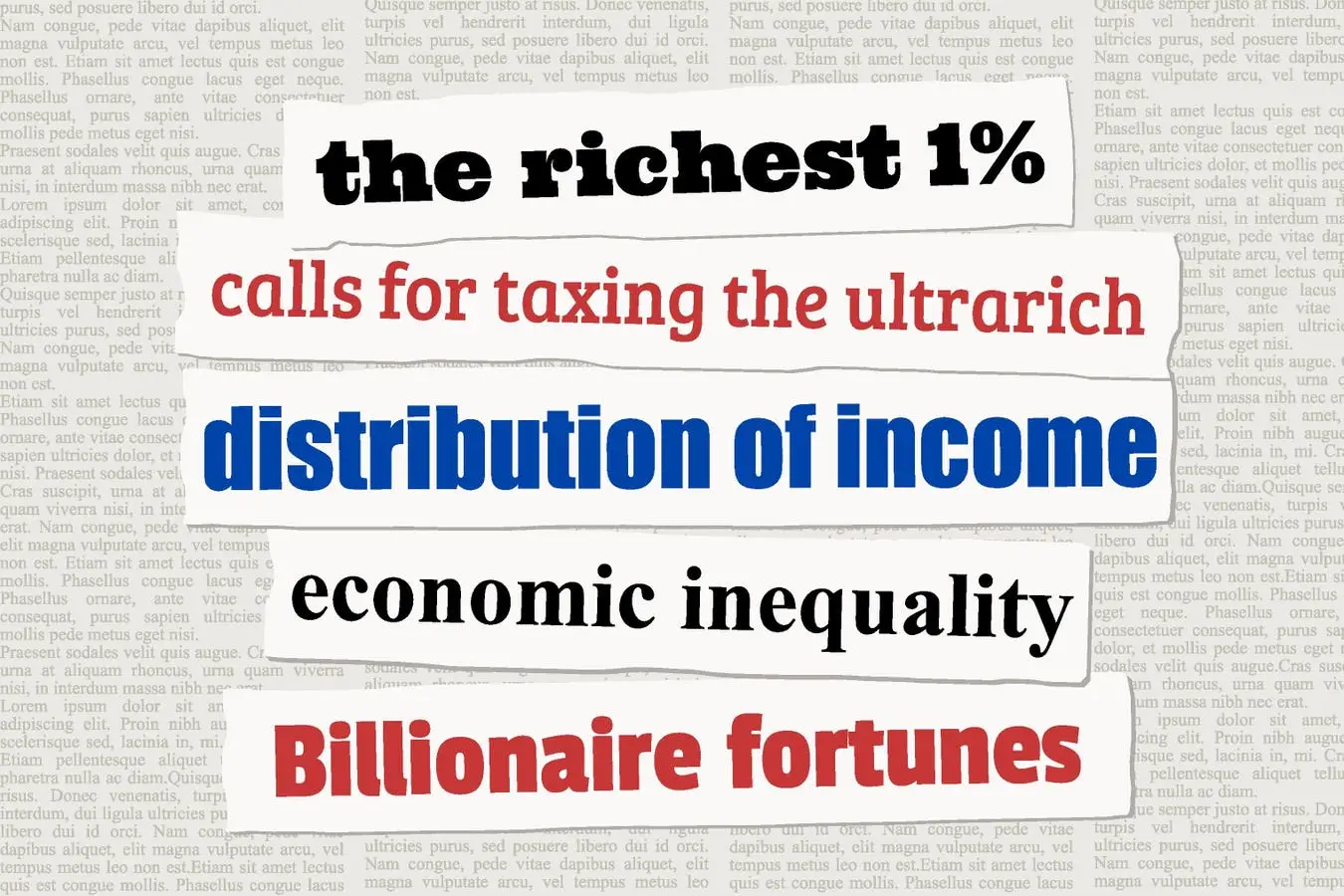
Headline text on newspaper background reading "the richest 1%" and "calls for taxing the ultrarich" in red and blue
News

Calls to Eliminate Estate Tax Spark New Tax Discussions

SimplyTrustSimplyTrust Editorial·October 31, 2025·Updated November 6, 2025·2 min read

Explore the recent discussions on eliminating the estate tax and its implications for wealth transfer strategies.

What would happen if the estate tax were eliminated? A recent call from a prominent author has ignited a debate on this very subject, weighing the implications for wealthy individuals and the broader population. As estate planning becomes increasingly complex, understanding how these changes could shape your financial future is crucial.

Currently, the federal estate tax applies to estates valued over $12.92 million for individuals and $25.84 million for couples. If the estate tax were to be eliminated, it could significantly impact wealth transfer strategies. Families with substantial assets might find themselves in a more favorable position, as they would no longer face hefty taxes upon inheritance. However, this proposed change also raises questions about funding for essential government services that rely on this tax revenue.

In the proposed scenario, advocates suggest that instead of taxing estates, there should be a stronger focus on taxing the wealthy through income and capital gains taxes. This shift aims to address income inequality while maintaining revenue for public services. For instance, an increase in capital gains taxes from 20% to 30% could be a way to balance the scales, ensuring that those with significant wealth contribute fairly to society’s needs.

As discussions continue, individuals should begin to assess their own estate planning strategies. With potential changes on the horizon, now is the time to consult with financial advisors and estate planners. Consider what strategies might need adjusting—whether that involves setting up trusts, gifting assets before death, or reevaluating how you wish to transfer wealth to your heirs.

In conclusion, the conversation around the elimination of the estate tax and its proposed alternatives is just beginning. Stay informed about these developments, as they could have immediate effects on your estate plan. Be proactive and reach out to professionals who can guide you through these potentially transformative changes in tax law.

Read the original article →

#estate planning#inheritance#tax law#wealth transfer