Forward Inheritance Tackles $84 Trillion Wealth Transfer Crisis

What Happened
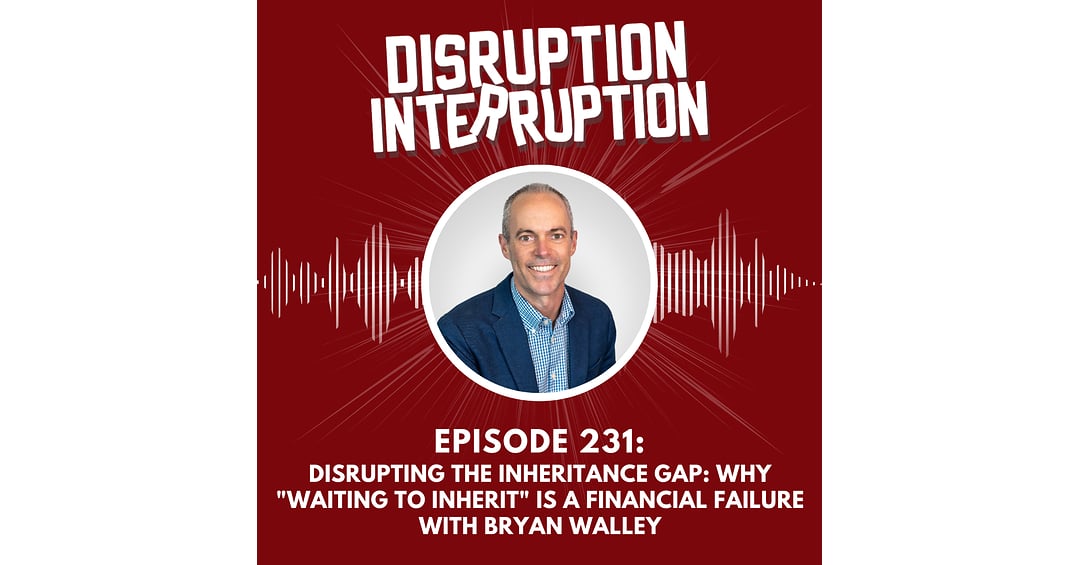
Forward Inheritance CEO Bryan Walley appeared on the Disruption Interruption podcast on May 28, 2026, to discuss how traditional inheritance systems fail American families. Walley's California-based fintech company addresses what he calls the "inheritance crisis" - the gap between when families need capital most and when they actually receive it through traditional inheritance.
According to Walley, families face a timing mismatch where inheritance typically reaches heirs in their 50s or 60s, rather than during their 30s when the money could have greater impact. He describes this as "dead equity" - wealth locked in assets during the years it could help families build their lives. The company's research shows only about 40% of homeowners have both a trust and will, leaving most families exposed to probate delays and confusion.
Forward Inheritance offers an inheritance portal that centralizes documents, contacts, and financial information before crisis strikes. The platform aims to help families unlock home equity earlier and facilitate intrafamily loans, allowing "the family to be the bank" rather than relying on outside lenders. Walley frames this as making family wealth more useful before loss turns planning into damage control.
What It Means
The timing crisis Walley describes reflects broader changes in American demographics and estate planning patterns. As life expectancy increases, inheritance often arrives when beneficiaries are already established in their careers and homes, rather than during wealth-building years. This shift has significant implications for families navigating major expenses like education, home purchases, or business investments.
The statistic that only 40% of homeowners have comprehensive estate plans highlights a critical gap in preparation. Without proper documentation, families face the $15,000,00026 USC 2001(c), 2010; P.L. 119-21 §70106Verified Sep 15, 2026View source federal estate tax exemption threshold, but more commonly encounter state-specific probate requirements that can delay asset transfer for months or years. Probate proceedings can consume significant time and resources, particularly when families lack organized documentation.
The concept of "dead equity" particularly affects real estate, which represents the largest asset for most American families. While homeowners may have substantial equity, accessing it traditionally requires selling the property or taking on debt. Forward Inheritance's approach of facilitating early equity access and intrafamily lending represents an alternative to traditional trust funding strategies that typically wait until death to transfer assets. This timing shift could help younger generations during peak earning and spending years rather than later in life.
Context from SimplyTrust
The inheritance preparation challenges Walley identifies underscore the importance of organized estate planning documentation. Families benefit from centralized systems that track not just legal documents, but also financial accounts, professional contacts, and asset locations. Comprehensive estate inventories help prevent the "bird nest of documentation" scenario Walley describes, where even organized families struggle to piece together financial information during grief.
The broader conversation about wealth transfer timing connects to evolving estate planning strategies that consider when beneficiaries can best utilize inherited assets. Rather than waiting for traditional inheritance, families increasingly explore trust structures that provide earlier access to family wealth while maintaining appropriate oversight and tax efficiency.
Source: Disrupting Wealth Transfer: How Forward Inheritance Turns Paperwork into Family Capital