Acting as Successor Trustee in South Carolina

What Happened
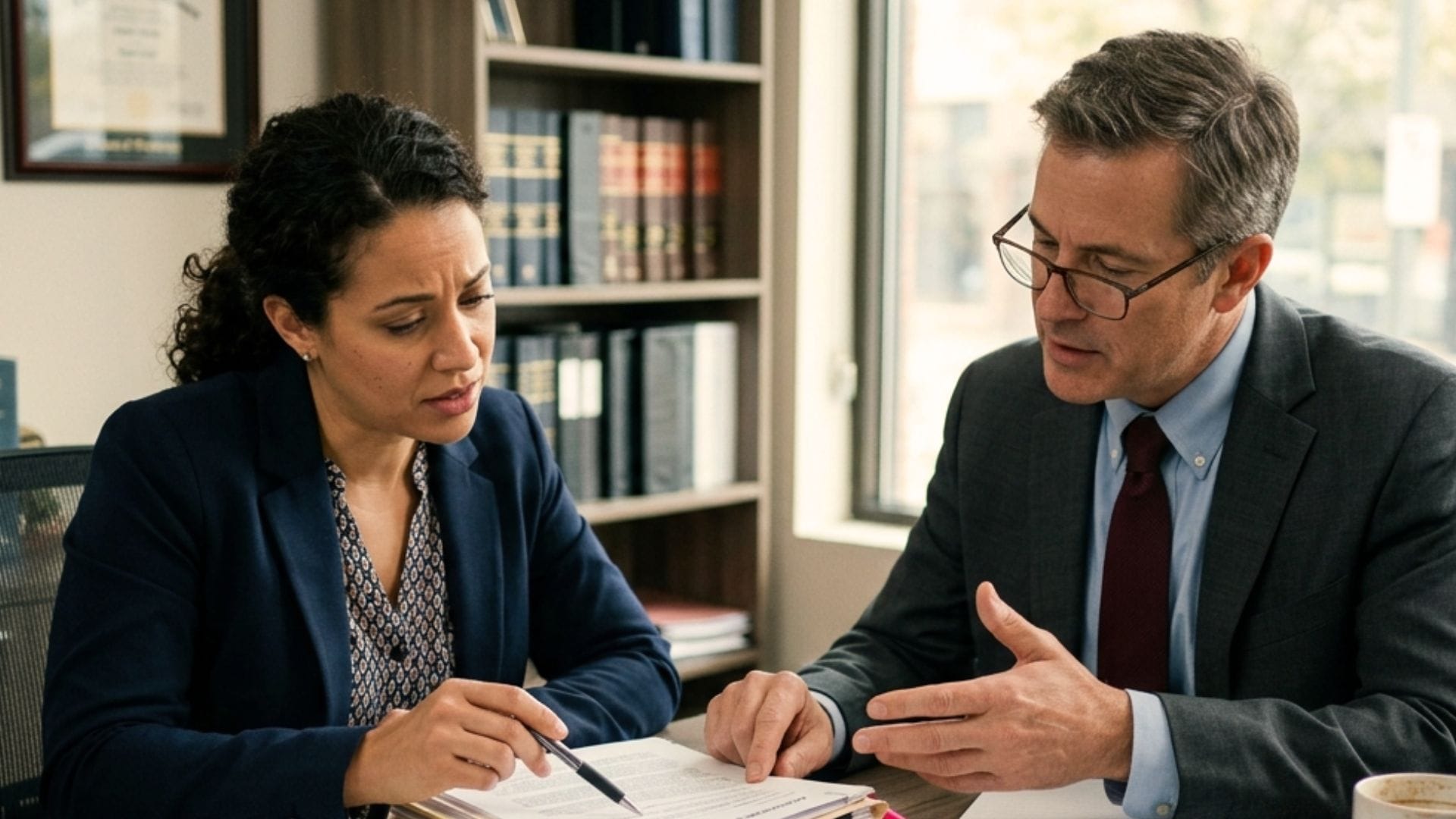
A South Carolina estate planning law firm published a detailed guide on the responsibilities and procedures that apply when a successor trustee takes over administration of a revocable living trust. The article, published in October 2026, walks through the legal framework under the South Carolina Trust Code that governs how successor trustees accept their role, what steps they take immediately after assuming authority, and what ongoing duties they owe to beneficiaries.
The guide explains that a successor trustee steps in when a vacancy occurs in the trusteeship. Common triggers include the death or incapacity of the settlor who originally served as trustee. For incapacity, the trust document itself typically controls the transition rather than state law alone, often requiring written statements from one or more physicians before the successor's authority begins. The article emphasizes that a successor trustee's authority does not begin automatically at the moment of the settlor's death or incapacity—it begins only once the trust document's specific conditions are satisfied.
The guide also covers the practical mechanics of accepting or declining the role, the first administrative steps after accepting, how to notify beneficiaries, and how to coordinate with other agents such as the person holding a durable financial power of attorney. The article draws directly on the South Carolina Trust Code, which South Carolina adopted as part of its Uniform Trust Code framework, to explain when court involvement is and is not required.
What It Means
South Carolina adopted the Uniform Trust Code, and that framework shapes nearly every aspect of how successor trustees operate in the state. South Carolina's trust administration rules follow the Uniform Trust Code, which means the state provides a detailed statutory structure for trustee duties, beneficiary rights, and administrative procedures. One of the most immediate obligations a successor trustee faces after a trust becomes irrevocable is the beneficiary notice requirement. Under South Carolina law, the trustee must send qualified beneficiaries a formal notice within 90 daysS.C. Code §§ 62-7-813, 62-7-1005Verified Sep 15, 2026View source after accepting the trusteeship or beginning administration of an irrevocable trust. That notice must cover the trust's existence, the settlor's identity, the trustee's contact information, and the beneficiaries' rights to request a copy of the trust instrument and annual reports. Missing this deadline creates a gap in the trustee's compliance with statutory duties and can expose the trustee to claims from beneficiaries.
Successor trustees in South Carolina also face ongoing reporting obligations. The trustee of an irrevocable trust must provide an annual written report on trust property, liabilities, receipts, and disbursements to beneficiaries currently receiving or eligible to receive distributions, and to other qualified beneficiaries who request it in writing. South Carolina requires this ongoing beneficiary communication as a core trustee duty, not an optional administrative courtesy. The trustee's compensation is governed by a reasonable compensation standard if the trust document sets no specific amount. South Carolina follows the Uniform Trust Code approach to trustee compensation, which allows a court to adjust compensation if the trustee's actual duties turned out substantially different from what was anticipated when the trust was created. A trustee may also seek reimbursement from trust property for expenses properly incurred in administering the trust.
The practical implications for South Carolina families extend beyond the legal formalities. A revocable trust avoids the probate process entirely for assets held in the trust, which means the successor trustee—not a court—controls the timeline and process of administration. South Carolina's probate process for estates that do pass through the court typically runs 9 months to 18 months, and creditors have 8 monthsS.C. Code § 62-3-803Verified Sep 8, 2026View source from the first publication of notice to present claims. A well-funded trust sidesteps that entire process. However, successor trustees must still coordinate with the probate estate when the decedent held assets outside the trust, since those assets may pass through a pour-over will and require a separate probate proceeding before flowing into the trust. South Carolina's small estate affidavit procedure applies to estates where the entire probate estate does not exceed $45,000S.C. Code § 62-3-1201Verified Sep 8, 2026View source, which can simplify the process for modest probate estates that accompany a trust-based plan. That threshold increased from $25,000 to $45,000 under 2025 Act No. 26, effective May 8, 2025, giving more families access to the simplified procedure.
One area where successor trustees frequently encounter friction is financial institutions. Banks and title companies routinely ask for proof of a successor trustee's authority before releasing funds or transferring real property. South Carolina law allows a trustee to provide a certification of trust rather than the full trust document. South Carolina recognizes a certification of trust as sufficient for institutions to verify a trustee's authority, and institutions that rely on a certification in good faith receive statutory protection. For real estate transactions, the certification must be signed and acknowledged so it can be recorded with the Register of Deeds in the county where the property is located. An institution that demands the full trust document beyond what the statute requires can face liability for damages if a court finds the demand was not made in good faith. Successor trustees who understand this protection can push back on overreaching institutional requests with confidence.
Tax administration adds another layer of complexity. When a revocable trust becomes irrevocable at the settlor's death, the trust requires a new employer identification number from the IRS. The successor trustee typically applies for this number before retitling accounts or opening new trust accounts in the trust's name. South Carolina imposes no state estate or inheritance tax, which simplifies the tax picture considerably. South Carolina does not impose a state estate or inheritance tax, so successor trustees administering South Carolina trusts face no state-level death tax obligations. The federal estate tax exemption currently stands at $15,000,00026 USC 2001(c), 2010; P.L. 119-21 §70106Verified Sep 15, 2026View source per individual, meaning the vast majority of South Carolina estates face no federal estate tax liability either. The successor trustee may still need to file a final income tax return for the decedent and a fiduciary income tax return for the trust itself using South Carolina Form SC1041S.C. Code Ann. §§ 12-6-510, 12-6-4910(5), 12-6-4970(A), 62-3-1002, 62-3-1003; SCDOR fiduciary and individual income tax guidanceVerified Sep 10, 2026View source.
Context from SimplyTrust
Choosing the right successor trustee—and making sure that person understands what the role involves—is one of the most consequential decisions in building a trust-based estate plan. SimplyTrust uses a successive trustee model that requires a primary trustee and two backup trustees, so there is always a named successor ready to step in if the primary trustee cannot serve. After a trust is established through SimplyTrust, each nominated trustee receives a formal outreach to confirm their information and accept the nomination. Families who want to understand what the trustee role actually entails before making that decision can read What Being a Trustee Really Means and The Ultimate Trustee Checklist, Step By Step, both of which walk through the practical and legal dimensions of the role in plain language.
For families weighing whether a trust-based plan makes sense compared to a will-based approach, the core question is often about probate. A properly funded revocable trust keeps assets out of the South Carolina probate process entirely, giving the successor trustee the ability to act quickly and privately without court involvement. Avoid Probate with a Trust explains how the funding process works and why an unfunded trust does not deliver the probate-avoidance benefit families expect. For anyone already serving as a successor trustee and navigating the administration process, 7 Common Trust Administration Issues covers the most predictable problems that arise in the first weeks and months after a trust becomes irrevocable, along with practical guidance for working through them.