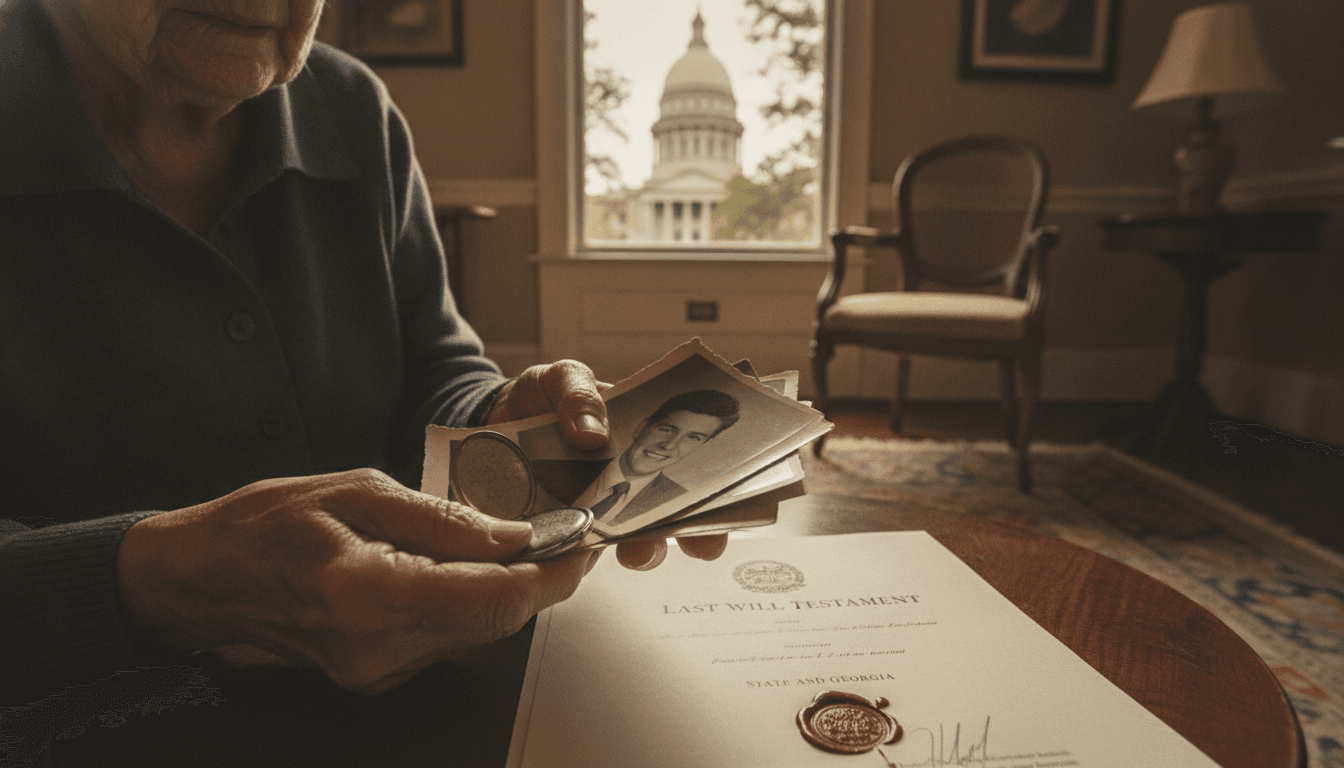
Creating a plan for your assets isn’t just a formality—it’s a safeguard. When someone passes away without an estate plan, their family members have to navigate a court-directed process that can be slow, costly, and emotionally draining. In its absence, state law—not personal wishes—decides what happens next.
Let’s walk through what unfolds when someone passes with no trust or will in place.
If someone passes away without an estate plan, they are considered to have passed away intestate. In this case, the state uses a legal formula to distribute their assets. These formulas, called intestate succession laws, vary by state but generally prioritize: spouse and children, then parents, then siblings, then more distant relatives. There’s no consideration for close friends, unmarried partners, or charitable causes—no matter how central they were in the person’s life. Pets aren’t provided for either.
The State Takes Over
Probate Becomes Mandatory
Probate is the legal process for settling an estate. With no estate plan, probate isn’t just a possibility—it’s a requirement.
Why probate matters:
- It can take months or even years.
- It opens the door for disputes between family members.
- It comes with court costs, filing fees, and possibly lawyer fees.
- It becomes part of the public record.
If the estate includes real estate or valuable assets, those items can be tied up in court, potentially delaying sales or transfers for a long time.
A Court Chooses the Personal Representative
Without a named executor or trustee, the court appoints a personal representative (sometimes called an administrator). This person is responsible for managing the estate.
- Collecting and valuing assets
- Paying off debts and taxes
- Distributing everything else
Family members can apply for the role, but the court has to approve them. If multiple people want the job, or if there’s conflict, the court decides who gets it.
Minor Children and Dependents
One of the most critical roles of an estate plan is to name a guardian for minor children or other dependents. Without one:
- A judge decides who takes custody.
- The chosen guardian may not be the person the deceased would have picked.
- Disputes among relatives can arise, dragging the process out.
Judges make guardianship decisions based on their interpretation of the child’s best interests, not the parent’s documented wishes.
Assets May Not Go Where Intended
People often assume their belongings will automatically go to their partner, kids, or closest loved ones. But state law doesn’t always match those assumptions.
Here are a few common surprises:
- Without an estate plan, unmarried partners typically inherit nothing.
- Without an estate plan, stepchildren are usually excluded unless legally adopted.
- Without an estate plan, personal items—like heirlooms or family photos—may sell or go to someone unexpected.
- Without an estate plan, friends, charities, and pets are not considered at all.
Even sentimental items can go to probate or lead to arguments without clear instructions in place.
Additional Burdens for Loved Ones
When someone passes away without an estate plan, loved ones must gather documents, pay bills, handle real estate, and possibly go to court—all while grieving.
Other common issues include:
- Needing court approval to sell property
- Delays in accessing bank accounts
- Frozen digital assets and online accounts
- Family disagreements over who should get what
An estate plan simplifies or eliminates many of these challenges. Without one, those left behind carry a heavier load.
Some Assets May Avoid the Chaos—But Not All
Not all property goes through probate. Some assets pass directly to beneficiaries, like:
- Life insurance policies
- Retirement accounts (with named beneficiaries)
- Jointly owned property with right of survivorship
However, these accounts must be set up correctly ahead of time. If a beneficiary has passed away or wasn’t named, even these assets could end up in probate. And they don’t substitute for a full estate plan.
(An Uncertain) Life Without an Estate Plan
Without an estate plan, you leave behind uncertainty. State law—not personal preference—decides who receives your property, who takes care of your dependents, and how long it all takes.
The outcome? Delays, disputes, and distributions that may not reflect your wishes. An estate plan isn’t just for the wealthy or the elderly. It’s a practical tool for anyone who wants to make things easier for their loved ones.