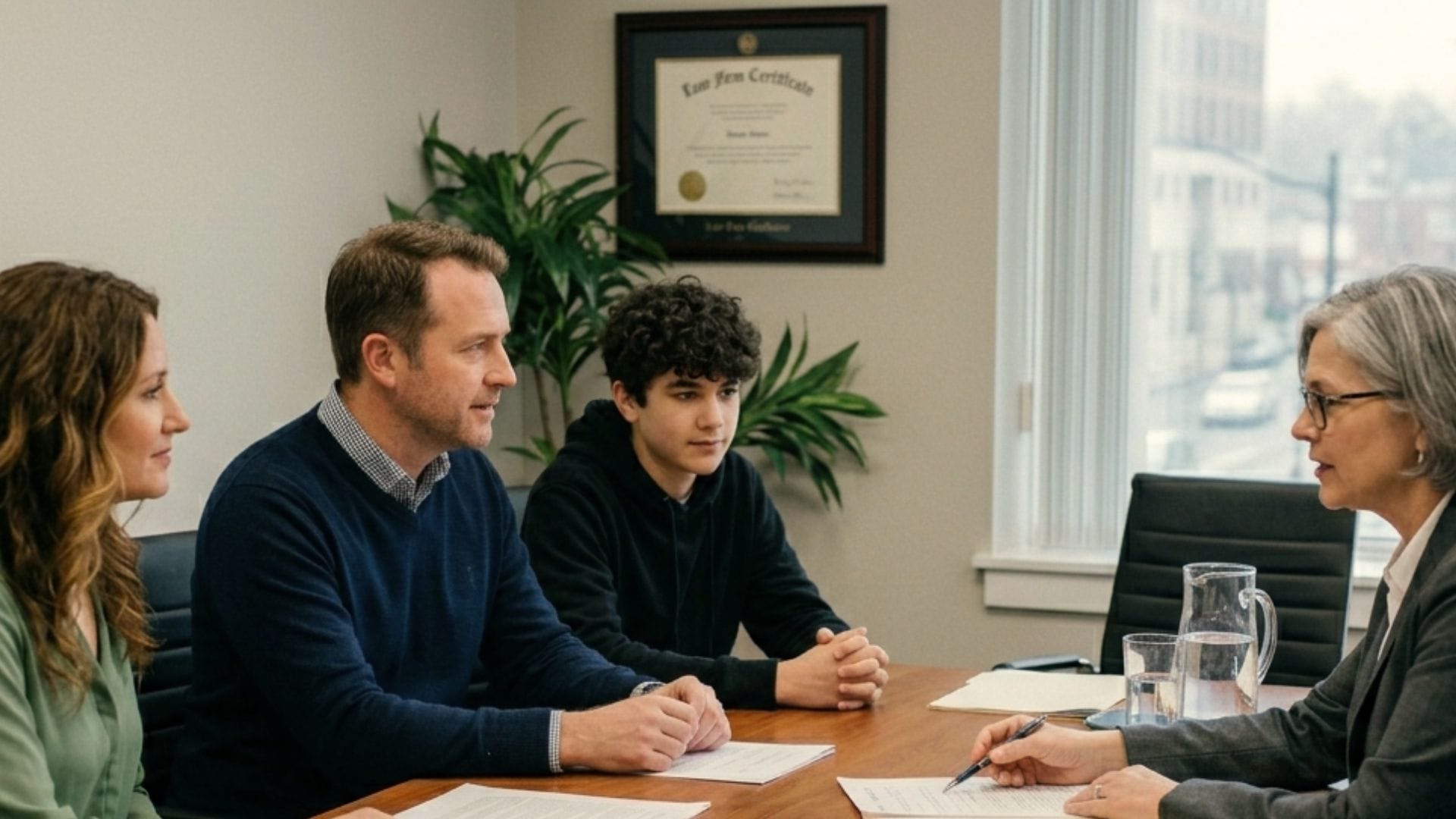
Estate Planning for Stepfathers in Blended Families

What Happened
A Honolulu estate planning attorney published a detailed analysis in June 2026 examining a gap that affects blended families across Hawaii and the broader United States. The piece, written by the Law Office of Keoni Souza, focuses on a specific and often overlooked reality: stepfathers who actively raise children hold no automatic legal standing under state intestacy and guardianship laws, regardless of how long or how deeply they have been involved in a child's life.
The article describes scenarios familiar to millions of American families. A stepfather attends school events, manages medical appointments, provides financial support, and functions in every practical sense as a parent. Yet when a biological parent dies unexpectedly or a medical emergency arises, that stepfather may discover he has no recognized legal authority to act. Courts may instead look to biological relatives who have had little or no involvement in the child's daily life. The attorney frames this as a documentation problem, not a love problem. The family exists. The law simply does not see it yet.
The analysis covers four areas where blended families face the greatest legal exposure: inheritance rights for stepchildren, guardianship nominations when a biological parent dies or becomes incapacitated, healthcare authorization documents for medical emergencies, and trust structures that can manage assets responsibly for younger beneficiaries over time. The piece emphasizes that none of these protections require formal adoption. A well-coordinated estate plan can accomplish most of what families need without going through adoption proceedings.
What It Means
The core issue the article raises applies to every state, and the numbers behind it are significant. Hawaii's intestacy laws, like those in most states, define heirs through biological and legal relationships. Stepchildren do not appear in that hierarchy unless they have been formally adopted. That means a stepfather who dies without a will leaves his stepchildren with no legal claim to his estate, even after decades of functioning as their primary parent. The same principle works in reverse: a stepchild's estate does not automatically pass to a stepparent under default inheritance rules. For families who have built shared lives and accumulated shared assets, this default outcome can feel deeply unjust.
Blended families also face a specific vulnerability that the article identifies clearly: the "everything to my spouse" plan. Many couples in second marriages assume a simple joint estate plan protects everyone. In a joint revocable trust, however, the surviving spouse retains full control after the first spouse dies and can change beneficiaries, alter distributions, and redirect assets away from children of a prior relationship. Children from a first marriage have no legal claim to what their parent intended for them if the surviving stepparent later revises the plan. This is one of the most common and consequential estate planning mistakes blended families make. Separate individual trusts, where each spouse controls their own assets and names their own beneficiaries, eliminate this risk entirely. For families where protecting children from a prior relationship is a priority, the structure of the plan matters as much as the content. Understanding the differences between individual trusts and joint trusts is an essential starting point for blended family planning.
The guardianship dimension the article raises deserves particular attention. When a biological parent dies and no guardianship nomination exists, courts apply their own standards to determine who cares for a minor child. A stepfather with no formal nomination has no guaranteed priority. Biological grandparents, aunts, or uncles may petition for guardianship, and the court must weigh competing claims. A documented guardianship nomination does not bind the court absolutely, but it provides meaningful guidance and communicates the deceased parent's wishes in a way that carries real weight in proceedings. For families where the stepparent has been the primary caregiver, the absence of this document creates unnecessary exposure. Remarriage and the formation of blended families also directly affects inheritance outcomes in ways most people do not anticipate. The article on how remarrying impacts inheritances covers this territory in depth and connects directly to the planning gaps the Hawaii attorney identifies.
Context from SimplyTrust
Blended families represent one of the clearest cases where default legal rules diverge most sharply from a family's actual intentions. SimplyTrust allows users to name any person as a beneficiary, including stepchildren, regardless of adoption status. Stepchildren do not appear automatically under default per stirpes inheritance rules, which follow biological and legal lines, so naming them explicitly as beneficiaries is the mechanism that creates the protection. The platform also supports staggered distributions, age-triggered gifts, and ongoing recurring payments, which address the article's point about managing assets responsibly for younger beneficiaries over time. For families navigating the emotional and legal complexity of blended family planning, the uncertainty that comes from having no estate plan is far greater than the effort required to create one. The estate planning articles library at SimplyTrust covers blended family scenarios, trust structures, and beneficiary planning in accessible detail for families ready to take the next step.
Source: The Father the Law Doesn't See: Estate Planning for Stepfathers in Hawaiʻi