Understanding When Probate is Required in Kansas City

Discover when probate is required in Kansas City and how to avoid it.
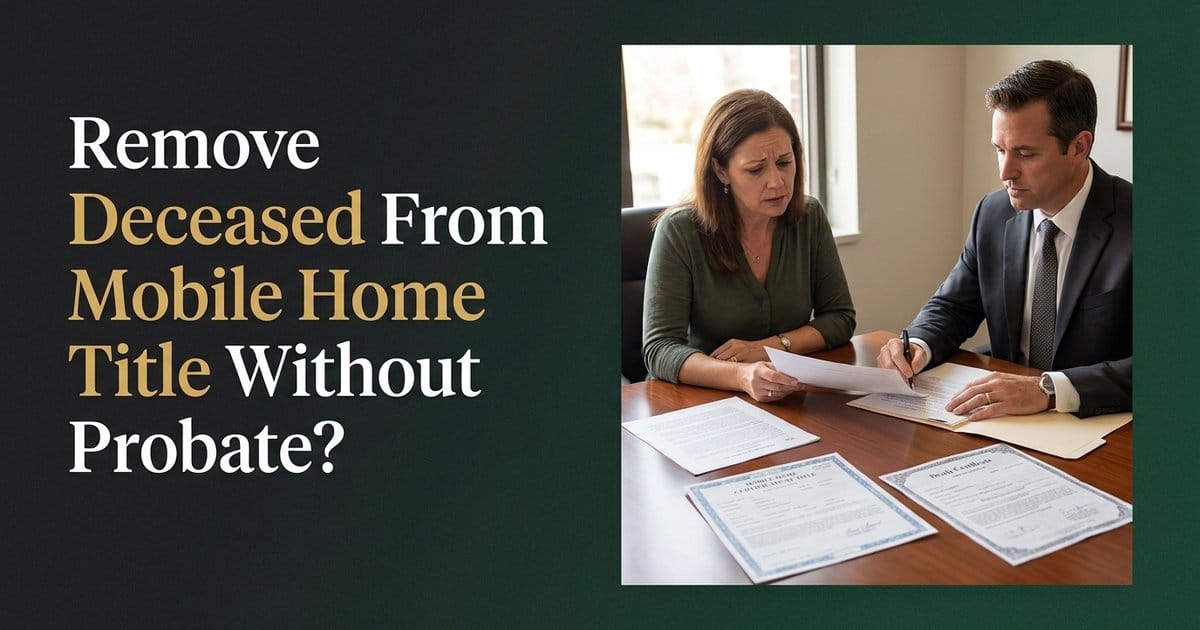
Have you ever wondered what happens to your assets when you pass away? Understanding the role of probate in estate planning is crucial, especially in Kansas City. Probate is the legal process that determines how your assets will be distributed after your death, and it’s not solely dependent on having a will. Rather, it hinges on how your assets are titled and whether there are designated beneficiaries or co-owners. For instance, if you own a home solely in your name without a joint owner or transfer-on-death designation, that property will likely require probate to transfer ownership legally.
In many cases, probate becomes necessary when an individual dies without a trust or a clear plan for transferring their assets. Consider a scenario where someone passes away leaving behind a bank account, real estate, and personal belongings all titled solely in their name. Without a co-owner or transfer-on-death designation, probate will be needed to settle the estate. This can lead to delays and added costs for the family during a time of loss.
Conversely, some assets can bypass probate entirely. If you have jointly owned property, for instance, it can directly transfer to the surviving owner without court involvement. Additionally, assets like life insurance policies and retirement accounts with named beneficiaries will also avoid probate. The key takeaway here is that the presence of co-owners or beneficiaries can significantly streamline the estate transfer process.
It’s also important to address common misconceptions about wills. Many believe that having a will in place means they can skip probate, but that’s not the case. A will still must go through probate to instruct the court on how to distribute assets. This aspect often surprises families who think they are well-prepared. To truly avoid probate, consider establishing a revocable living trust. This allows for the private transfer of assets after death, provided the trust is properly funded.
Lastly, if you’re dealing with a small estate, Kansas and Missouri have simplified processes that could save you time and money. In Kansas, if your estate is valued at $75,000 or less, you may qualify for a small estate affidavit. Meanwhile, Missouri sets this threshold at $40,000. Evaluating your estate’s value and structure early on can help you avoid unnecessary complications down the road. To ensure your estate is managed according to your wishes, take the time to assess your asset titles and beneficiary designations now, rather than later.