How Childlessness Affects Estate Planning for Americans

Childless Americans face unique estate planning challenges. Discover how to navigate this changing landscape effectively.
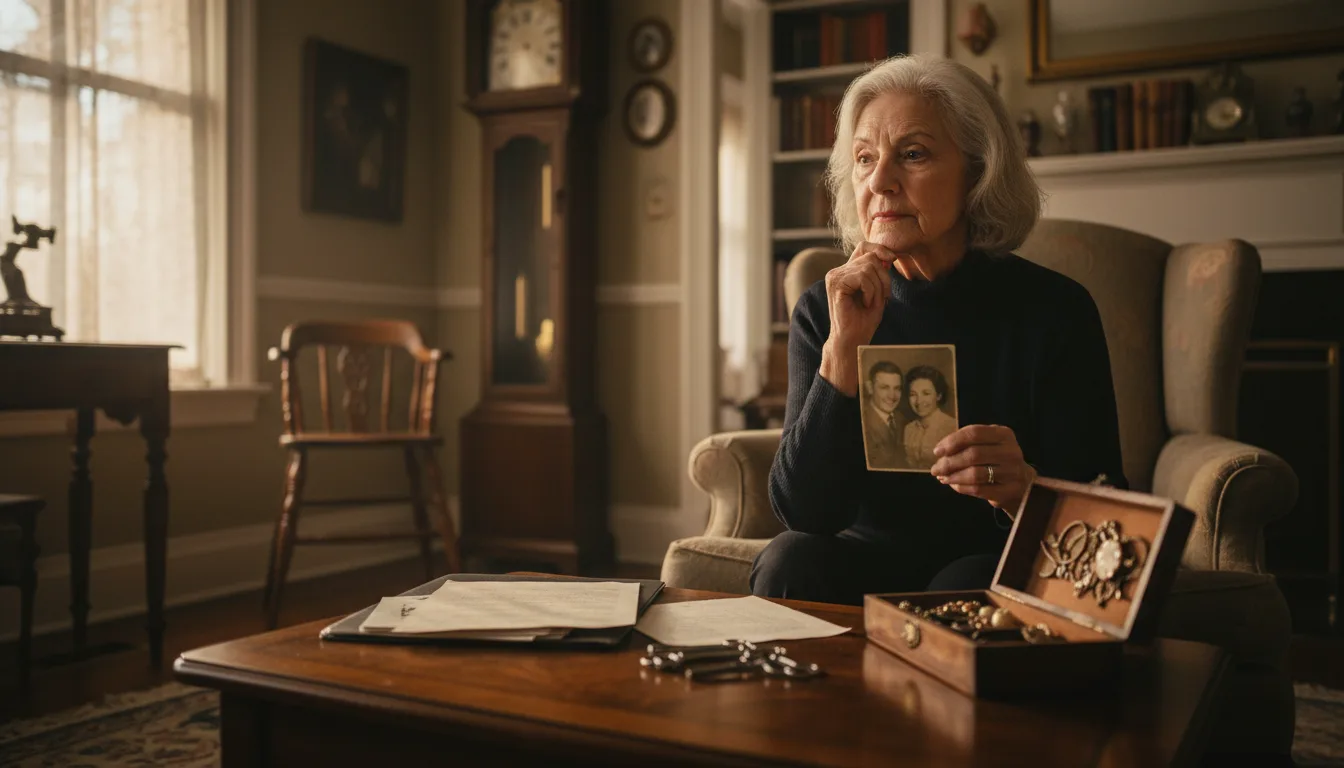
Are you among the rising number of Americans choosing not to have children? If so, you might be surprised to learn how this decision complicates estate planning. Recent statistics show that approximately 15.2 million adults aged 55 and older are childless, accounting for about 16.5% of the population. With fewer people relying on children to inherit assets or make critical decisions, the traditional approach to estate planning faces significant challenges.
The Pew Research Center highlighted that the percentage of adults under 50 who are unlikely to have kids rose from 37% to 47% between 2018 and 2023. This shift raises important questions: Who will ensure your wishes are honored when you’re gone? Many childless adults overlook the importance of having a will. In fact, only 19.9% of childfree adults possess one, compared to 32% of the general population. This lack of planning can lead to unintended consequences and stress for those left behind.
Without a medical or financial power of attorney (POA), childless individuals may find their preferences ignored in times of crisis. Decisions about health care or financial matters could fall into the hands of strangers or courts, potentially leading to outcomes that do not align with one’s wishes. Furthermore, estates lacking clear directives could endure lengthy probate proceedings, which can consume up to 10% of an estate’s value and take months or even years to settle.
Interestingly, childfree couples often accumulate wealth more rapidly, boasting a median net worth of $398,960. Many also have pets that require care in their absence, highlighting another factor to consider in estate planning. A staggering 76.9% of childless Americans own pets, a figure that surpasses the national average of 71% for all households. This underscores the need for a comprehensive plan that includes not only financial assets but also provisions for beloved pets.
So, how should childless Americans approach their estate planning? Experts recommend identifying trusted friends or relatives who can step in as POA, executors, or trustees. Imagine a scenario where something happens to both you and your partner—who would come to your aid? Start by listing potential candidates and consider their willingness and capability to take on such responsibilities. If personal connections are limited, professionals like attorneys or trust banks may be the best option.
Ultimately, the growing trend of childlessness necessitates a reevaluation of how we think about estate planning. Whether you have a few close friends or none at all, taking proactive steps can ensure your wishes are respected and your legacy is safeguarded. Don’t leave it to chance; begin crafting your estate plan today.