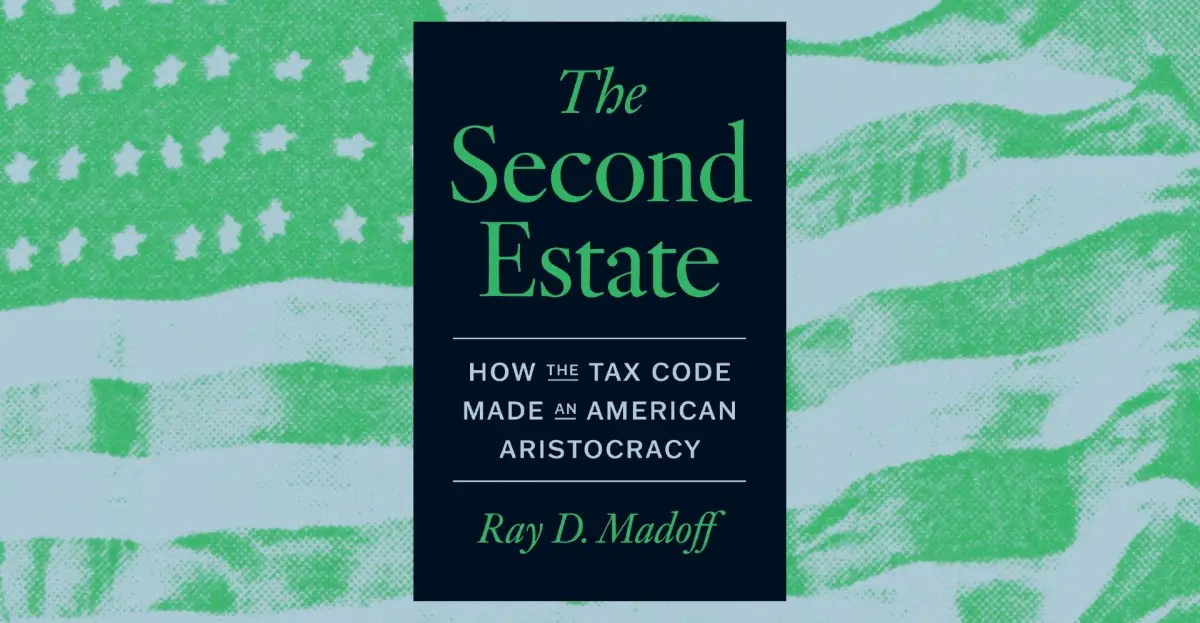
How Wealthy Americans Avoid Estate Taxes: A Closer Look

Discover how the wealthy evade estate taxes and what it means for your estate planning.
Have you ever wondered how the wealthiest Americans seem to evade taxes while the rest of us shoulder the burden? A recent dive into tax policy reveals just how effective the rich have become at minimizing their tax liabilities, particularly concerning estate taxes. This trend raises important questions about fairness in our tax system and the implications for estate planning.
Historically, the income tax and estate tax were designed to target the wealthiest individuals, ensuring that they contributed a fair share as they passed their assets to the next generation. However, recent statistics show that these taxes are not functioning as intended. For instance, the estate tax now accounts for less than 0.5% of total federal revenue, a stark contrast to its original purpose of curbing the transmission of vast wealth across generations.
The problem has been exacerbated by the ability of wealthy individuals to avoid taxable income altogether. Investigative reports based on leaked IRS data have unveiled that billionaires like Jeff Bezos and Elon Musk often pay little to no income tax, relying instead on strategies that circumvent traditional taxable earnings. This trend not only undermines the integrity of the tax system but also contributes to growing wealth inequality in the United States.
As this situation unfolds, it’s crucial to consider the strategies that affluent families use to preserve their wealth. Techniques such as trusts and other estate planning tools are often employed to navigate around estate taxes effectively. With the estate tax exemption currently set at $12.92 million per individual (for 2023), many high-net-worth families can pass significant wealth without facing tax penalties. This exemption raises additional concerns about the equitable distribution of wealth and the long-term sustainability of our tax system.
For those planning their estates, these developments signal the need for proactive strategies. Consulting with financial advisors who understand the intricacies of tax law can help ensure that your estate plan is not only compliant but also optimized for potential tax liabilities. As the landscape continues to shift, staying informed and adaptable is essential.
In summary, the ability of the wealthy to avoid estate taxes poses challenges for taxpayers and policymakers alike. As estate planning becomes increasingly complex, it’s more important than ever to engage with professionals who can guide you through these changes and help secure your legacy. Are you prepared for the implications of these trends on your own estate?