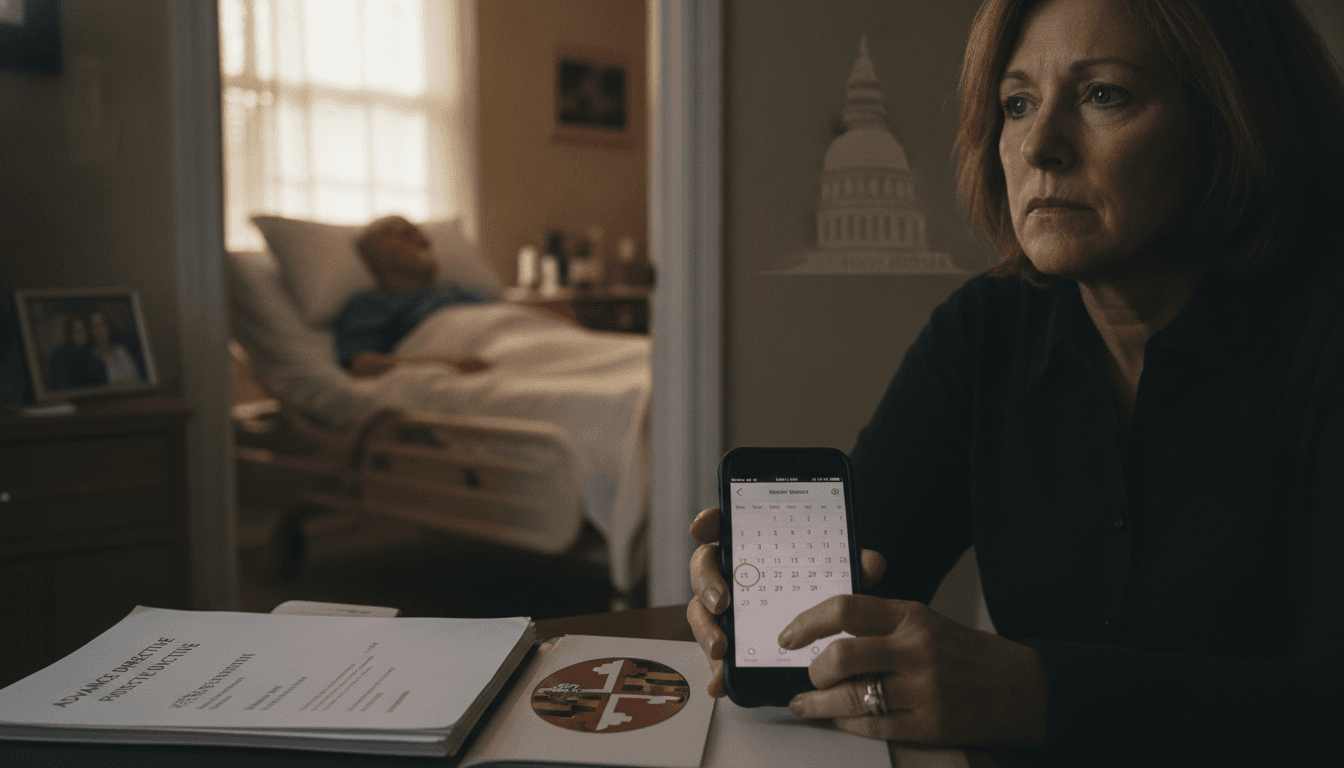
Minor Heirs in NC Probate: Who Decides?

What Happened
A legal Q&A published by Pierce Law Group, a North Carolina estate administration firm, addresses a question that surfaces regularly in probate proceedings: who holds the authority to make financial decisions on behalf of a minor heir during probate? The answer, under North Carolina law, is more specific than most families expect. A parent does not automatically gain financial authority over a child's inheritance simply by virtue of being a parent.
The article explains that North Carolina places guardianship jurisdiction with the Clerk of Superior Court, not with parents or family members acting informally. When a probate estate includes a beneficiary under age 18, the estate's personal representative cannot obtain binding consent from that minor, cannot resolve disputes involving the minor's share, and cannot distribute the minor's portion without a properly authorized representative in place. That representative is typically a court-appointed guardian of the estate.
The piece walks through the types of guardians recognized under North Carolina law, the application process, and the ongoing supervision requirements the court imposes. It also identifies several common pitfalls, including the mistaken belief that a guardian of the person, an informal family agreement, or a guardian ad litem appointed for a specific proceeding provides sufficient ongoing financial authority. The article points to Form AOC-E-208 as the filing document and recommends prompt action when the probate process stalls because a minor heir lacks proper representation.
What It Means
For North Carolina families navigating probate, the distinction between different types of guardians carries real consequences. A guardian of the estate manages a minor's money and property. A guardian of the person handles daily care, schooling, and personal wellbeing. These roles do not automatically overlap. A parent who holds a custody order or serves as a guardian of the person does not automatically gain the legal authority to receive, invest, or manage an inheritance on the child's behalf. The Clerk of Superior Court must enter a separate order, and the guardian must qualify by meeting any bond requirements the clerk imposes.
North Carolina probate already moves at a measured pace. A typical estate takes 9 months to 12 months to close, and creditors hold a 3 monthsN.C.G.S. § 28A-14-1(a), § 28A-19-3Verified Sep 8, 2026View source window to file claims after the personal representative publishes notice. When a minor heir requires a guardian of the estate and none is in place, the estate cannot finalize distribution of that child's share. That delay compounds an already lengthy process. The personal representative continues administering the broader estate, but the minor's portion sits unresolved until the court acts. Families who discover this requirement mid-administration often find themselves filing for guardianship while simultaneously managing the other demands of the probate process.
The article identifies several alternatives that may avoid a full guardianship appointment. A will or trust that names a trustee or custodian for a minor's share can resolve the issue before it arises. North Carolina law also permits certain funds to pass through the clerk directly or through a statutory custodial arrangement when the applicable requirements are met. These alternatives matter because the small estate affidavit procedure, available for personal property estates up to $20,000N.C.G.S. § 28A-25-1Verified Sep 8, 2026View source — or $30,000N.C.G.S. § 28A-25-1Verified Sep 8, 2026View source when a surviving spouse is the sole heir — does not eliminate the need for proper representation of a minor beneficiary. Families relying on simplified procedures still face the same guardianship question if a child stands to inherit. Understanding guardianship in estate management before an estate opens gives families a clearer path forward. Proactive estate planning, including naming trustees or custodians for minor beneficiaries, addresses this issue before it creates delays.
Context from SimplyTrust
Probate in North Carolina involves court filing fees, attorney costs that typically run between 2%N.C.G.S. § 28A-13-3(a)(19), § 28A-23-3(a) (attorney fees are a negotiated administration expense; no statutory schedule or percentage)Verified Sep 8, 2026View source and 3.1%N.C.G.S. § 28A-13-3(a)(19), § 28A-23-3(a) (attorney fees are a negotiated administration expense; no statutory schedule or percentage)Verified Sep 8, 2026View source of the estate, and a timeline that stretches across many months. When a minor heir adds a guardianship proceeding to that process, the administrative burden grows further. Families who want to understand what probate costs before an estate opens can use the SimplyTrust Probate Cost Calculator to estimate fees based on estate size and state-specific rules. For those already serving as a personal representative and managing the day-to-day responsibilities of estate administration, the Executor Checklist provides a structured guide to each stage of the process.
The most direct way to protect minor beneficiaries from this complication is to address it in an estate plan before death. A revocable living trust can name a trustee to manage a child's share, set the age at which the child receives outright distribution, and eliminate the need for court-supervised guardianship of the estate entirely. Assets held in a properly funded trust pass outside probate, which means the guardianship question never arises for those assets. North Carolina does not impose a state estate or inheritance tax, so families can focus planning decisions on structure and beneficiary protection rather than tax minimization. Exploring how trusts help families avoid probate gives parents and grandparents a clearer picture of what proactive planning accomplishes for the children they leave behind.
Executor Checklist
Serving as a personal representative in a North Carolina estate that includes a minor heir involves additional steps. This checklist covers the full scope of executor responsibilities:
Source: Who is allowed to make probate decisions for a minor heir? NC