Dolly Parton's Estate Plan: Lessons for Families

What Happened
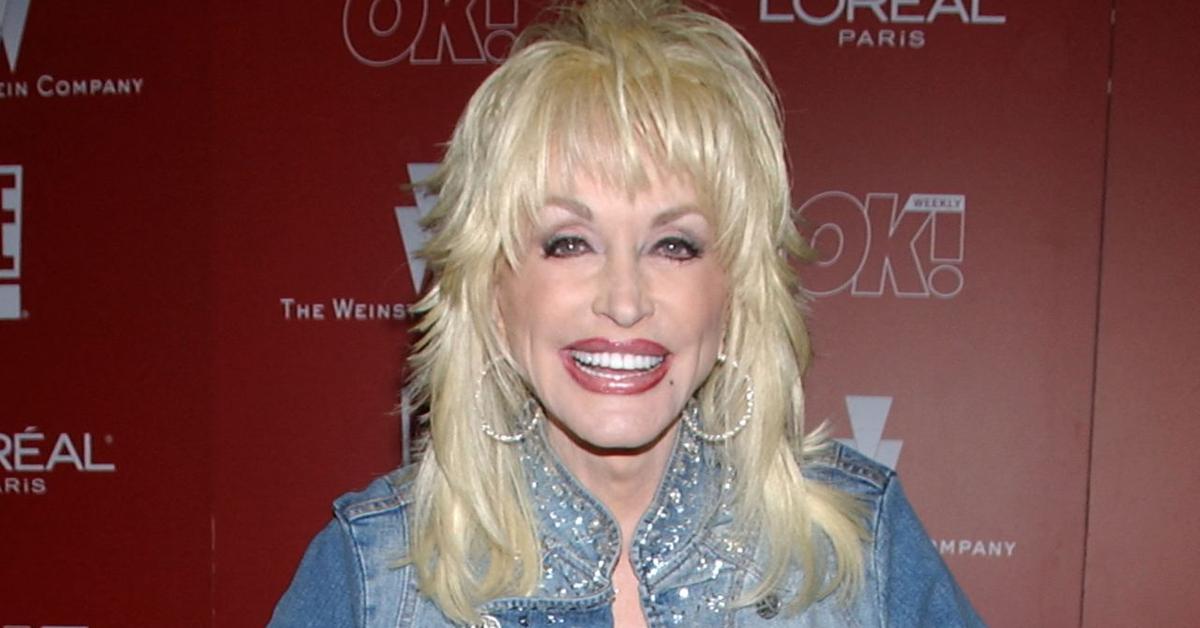
Dolly Parton, the country music icon and philanthropist, passed away on August 25, 2026, at the age of 80. Her nephew Bryan Seaver, who served as her head of security for more than two decades, announced her death in a video message to fans on behalf of the Parton and Owens family.
In the days before her death, Parton had been actively focused on the distribution of her estimated $650 million estate. According to sources close to the family, she expressed deep concern that the size of her fortune could create conflict among the people she loved. She reportedly took a hands-on approach to every financial decision, working to eliminate any ambiguity that could lead to disputes or litigation. "Her worst nightmare is that the people she loves could end up fighting over her estate," one insider noted, adding that she wanted to leave "no room for questions or lawsuits."
Parton's estate planning extended beyond her immediate family. She reportedly intended to direct significant portions of her wealth toward charitable causes, including her well-known Imagination Library, a nonprofit that provides free books to children around the world. The combination of a large extended family, a wide circle of friends, and substantial philanthropic commitments made her estate one of the more complex personal financial situations in recent memory. She had also been managing personal health challenges in the period following the 2025 death of her husband, Carl Thomas Dean.
What It Means
Parton's situation puts a human face on a challenge that families at every wealth level encounter. The fear that loved ones will fight over an estate is one of the most common motivations people cite when they finally begin the estate planning process. Conflict over inheritances does not require a $650 million fortune to become destructive. Ambiguity in any estate plan, large or small, creates the conditions for family disputes that can last years and consume significant financial and emotional resources.
What Parton reportedly did right was act early and act decisively. She identified the risk, took personal ownership of the decision-making process, and worked to remove uncertainty before her death. This approach reflects a core principle of sound estate planning: the clearer the instructions a person leaves behind, the less room there is for interpretation, disagreement, or litigation. Estates that pass through probate court without clear documentation become public record and are subject to challenge by any interested party. A properly structured trust, by contrast, transfers assets to beneficiaries outside of court, maintaining privacy and reducing the window for disputes. Readers interested in understanding why families choose this path can explore how trusts help families avoid probate and the broader reasons families choose to bypass the probate process entirely.
Parton's philanthropic intentions add another layer of complexity that many families with charitable goals share. Directing assets to nonprofit causes requires specific legal structures to work as intended. Charitable remainder trusts, donor-advised funds, and direct bequests each carry different tax and timing implications. On the tax side, the federal estate tax exemption currently stands at $15,000,00026 USC 2001(c), 2010; P.L. 119-21 §70106Verified Sep 15, 2026View source per individual, or $30,000,00026 USC 2001(c), 2010; P.L. 119-21 §70106Verified Sep 15, 2026View source for married couples, with a top rate of 40%26 USC 2001(c)Verified Sep 15, 2026View source applied to amounts above that threshold. An estate valued at $650 million would face substantial federal estate tax exposure without careful planning, making the structure of charitable giving a critical financial decision, not just a personal one. Federal portability rules allow a surviving spouse to use the deceased spouse's unused exemption, but that benefit does not extend to non-spousal heirs, reinforcing the importance of proactive planning for large estates.
The concern Parton expressed about family conflict also highlights the value of transparency and communication during the estate planning process. Many disputes arise not because a plan was legally deficient, but because beneficiaries were surprised by its contents. Families that discuss estate plans openly tend to experience fewer conflicts after a death. A thorough estate inventory gives families a clear picture of what exists and how it will be distributed, reducing the likelihood of misunderstandings later. When an estate includes both family members and charitable organizations as beneficiaries, that documentation becomes even more important. Understanding what it means to be a beneficiary helps all parties involved know what to expect and when.
Context from SimplyTrust
Parton's story resonates because her core concern, protecting the people she loved from conflict and confusion, is universal. Most families do not have $650 million at stake, but the emotional stakes of an unclear estate plan feel just as high. A revocable living trust is one of the most effective tools for achieving what Parton reportedly sought: clear instructions, private transfer of assets, and no room for questions. SimplyTrust offers a straightforward path to creating a revocable living trust online, with personalized funding instructions for bank accounts, real estate, and investments. Every trust created through the platform includes an immutable record of changes through the Estate Ledger, which timestamps and cryptographically signs every amendment, creating a clear chain of custody that can help address disputes before they start.
For families who have been putting off this kind of planning, Parton's story serves as a reminder that the right time to act is before a health crisis forces the issue. The Estate Planning 101 resource section covers the foundational concepts that anyone starting this process needs to understand, from choosing a trustee to deciding what assets belong inside a trust. The process does not have to be overwhelming, and starting early creates the space to make thoughtful, deliberate decisions rather than rushed ones.
Source: Dolly Parton Feared Family 'Would Fight' Over Her $650Million Fortune