US Brokerage Inheritance Issues for Americans Living Abroad

What Happened
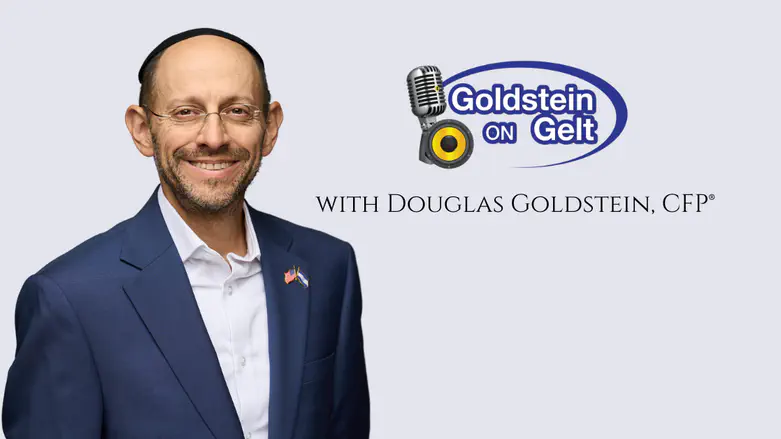
A recent financial planning podcast highlighted significant inheritance complications affecting Americans living in Israel who hold US brokerage accounts. The discussion revealed that transfer-on-death (TOD) designations, commonly used by US investors to bypass probate, often fail to function as expected when account holders live abroad.
According to the analysis, US brokerage firms frequently delay or restrict account transfers for overseas residents due to compliance requirements and cross-border regulatory complexities. These issues particularly affect Americans living in Israel who assumed their TOD designations would ensure smooth asset transfers to beneficiaries.
The podcast emphasized that cross-border estate planning requires careful coordination between US and Israeli legal systems. Many investors discover these complications only after a family member's death, when frozen accounts and unexpected probate requirements create additional stress during an already difficult time.
What It Means
This situation illustrates broader challenges facing Americans living abroad with US-based assets. When someone dies owning US brokerage accounts while residing overseas, their estate may face probate in multiple jurisdictions. US brokerage firms often freeze accounts pending proper documentation, even when TOD beneficiaries exist.
The federal estate tax exemption of $15,000,00026 USC 2001(c), 2010; P.L. 119-21 §70106Verified Sep 15, 2026View source applies regardless of where Americans live, but the practical challenges of transferring assets across borders can create significant delays and costs. Families may wait months for account access while navigating both US probate requirements and foreign compliance rules.
These complications highlight why traditional estate planning approaches may prove inadequate for Americans with international ties. Brokerage firms face heightened regulatory scrutiny when dealing with foreign residents, leading to more restrictive policies around account transfers and beneficiary designations. The result often involves unexpected probate proceedings that TOD designations were specifically designed to avoid.
Planning Considerations for International Families
Americans living abroad need estate planning strategies that account for multiple legal systems and regulatory environments. Simple beneficiary designations may not provide the seamless transfers that domestic investors typically experience. Cross-border families often benefit from structures that coordinate US and foreign legal requirements.
The inheritance challenges extend beyond brokerage accounts to other US-based assets including real estate, retirement accounts, and business interests. Each asset type may face different cross-border complications, making comprehensive planning essential for families with international connections.
Context from SimplyTrust
These cross-border inheritance issues underscore the importance of comprehensive estate planning that goes beyond simple beneficiary designations. While TOD designations work well for domestic transfers, international families often need more sophisticated approaches to ensure smooth asset transfers.
Understanding what probate involves becomes particularly important when dealing with cross-border complications. Proper planning can help families avoid unexpected probate proceedings in multiple jurisdictions, reducing both costs and delays during inheritance transfers.
Source: Podcast: Inheritance problems with US brokerage accounts in Israel