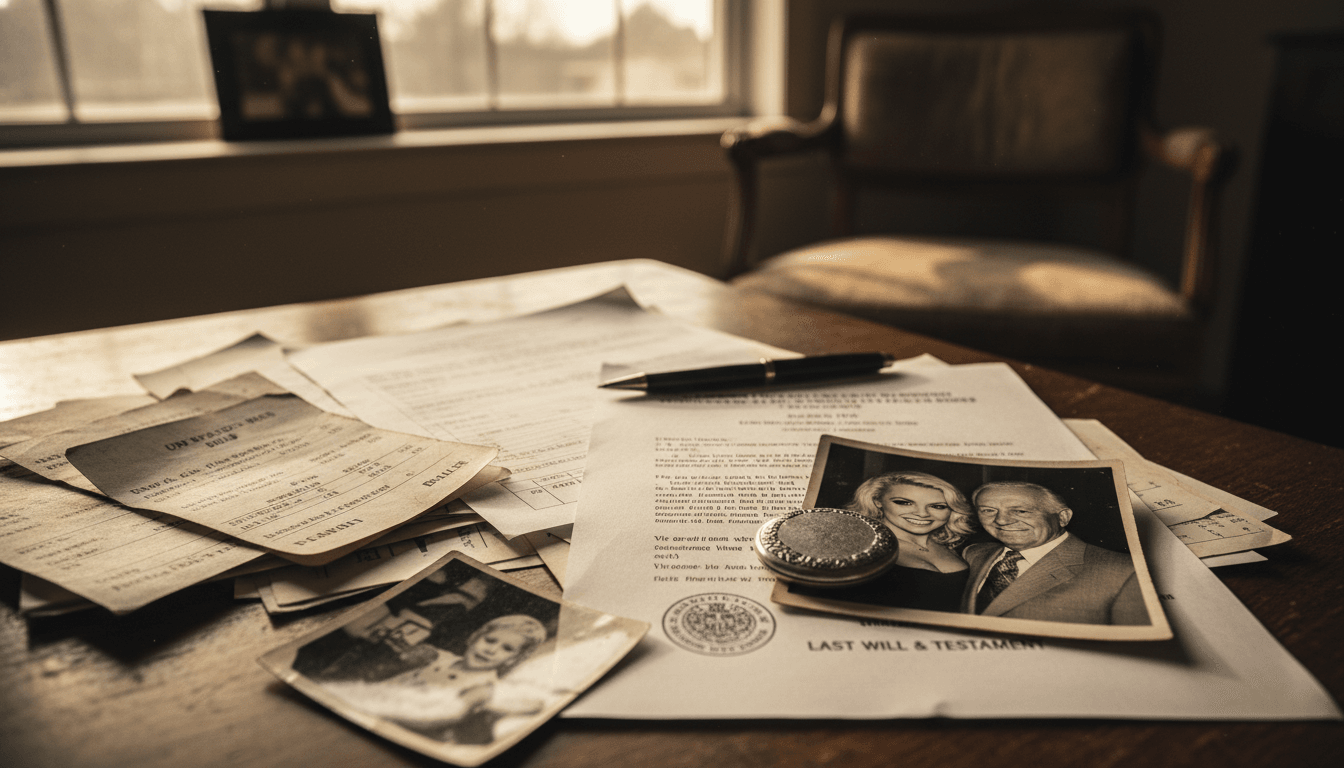
Anna Nicole Smith's Estate Planning Mistakes Offer Lessons

What Happened
Anna Nicole Smith's daughter Dannielynn recently reached the age of majority, gaining full control over the millions she inherited from her mother's estate. The case highlights significant estate planning failures that led to years of litigation and unintended consequences for the family.
Smith, the former Playboy model who married Texas oil billionaire J. Howard Marshall when she was 26 and he was 89, created a will in 2001 that contained several critical flaws. The will left everything to her son Daniel and specifically disinherited any unknown or future children. However, Daniel died of an accidental drug overdose just months before Smith's death in 2006, and she never updated her will to account for this tragedy.
When Smith died, her five-month-old daughter Dannielynn became the beneficiary of an estate worth approximately $3-4 million. Since Smith failed to plan for contingencies, the inheritance passed directly to the infant without protective structures. Larry Birkhead, determined to be Dannielynn's biological father, was granted custody and managed the funds alongside Smith's attorney Howard Stern until Dannielynn turned 18.
What It Means
Smith's estate planning failures demonstrate common mistakes that can have lasting consequences for families. The absence of contingent beneficiaries created immediate problems when her primary beneficiary predeceased her. Texas requires 2Tex. Est. Code § 251.051Verified Sep 16, 2026View source witnesses for will execution, but proper execution alone cannot fix fundamental planning oversights.
The case illustrates why estate planning attorneys recommend protective trusts for young beneficiaries. Rather than allowing an 18-year-old to inherit millions outright, a trust could have provided structured distributions at ages 25, 30, or beyond. This approach protects beneficiaries from impulsive decisions while ensuring funds remain available for education, health, and support needs.
Privacy concerns also played a role in Smith's case. As a public figure, Smith could have benefited from a revocable trust structure, which avoids the public probate process. Texas probate typically takes 6 months to 12 months, during which estate details become public record. A properly funded trust transfers assets privately without court involvement.
The failure to name guardians for minor children represents another critical oversight. When parents die without designating guardians, courts must make these decisions based on limited information. This process can create uncertainty and conflict during an already difficult time for families.
Smith's case also highlights the importance of regular plan updates. Major life events like births, deaths, marriages, and divorces should trigger immediate review of estate planning documents. Texas is a community property state, which adds complexity when marriages and family structures change.
The estate's value of $3-4 million falls well above $75,000Tex. Est. Code § 205.001/205.006Verified Sep 8, 2026View source, Texas's threshold for simplified probate procedures. This means the full probate process was required, with associated costs and delays that proper trust planning could have avoided.
Context from SimplyTrust
Estate planning mistakes like Smith's are preventable with proper guidance and regular updates. Modern estate planning tools make it easier to create comprehensive plans that address contingencies and protect beneficiaries of all ages. Understanding the differences between trusts and wills helps families choose the right structures for their situations.
For families with minor children, estate planning becomes even more critical. Naming guardians, creating protective trusts, and planning for various scenarios ensures children receive proper care and financial support regardless of circumstances. The goal is creating plans that adapt to life's uncertainties while protecting what matters most.
Source: Anna Nicole Smith's 4 Estate Planning Mistakes | Dallas Elder Lawyer