When someone passes away, collecting and forwarding mail becomes an essential responsibility for family members and personal representatives. The deceased person's mail contains important financial documents, legal notices, and correspondence that require immediate attention during estate administration.
Who Can Legally Collect Mail After Death?
Only authorized individuals can collect and forward mail for deceased persons. In Alaska, for example, the personal representative appointed by the court holds primary authority to handle all estate matters, including mail collection. Family members without legal authority cannot simply redirect someone else's mail without proper documentation.
The personal representative receives legal authority through probate proceedings, which typically cost $250Alaska Administrative Rule 9(b)(2)(A); SCO 2008 (eff. May 1, 2023)Verified Sep 8, 2026 in court filing fees. Alaska requires personal representatives to post a surety bond, though the will can waive this requirement.
What Documents Do You Need for Mail Collection?
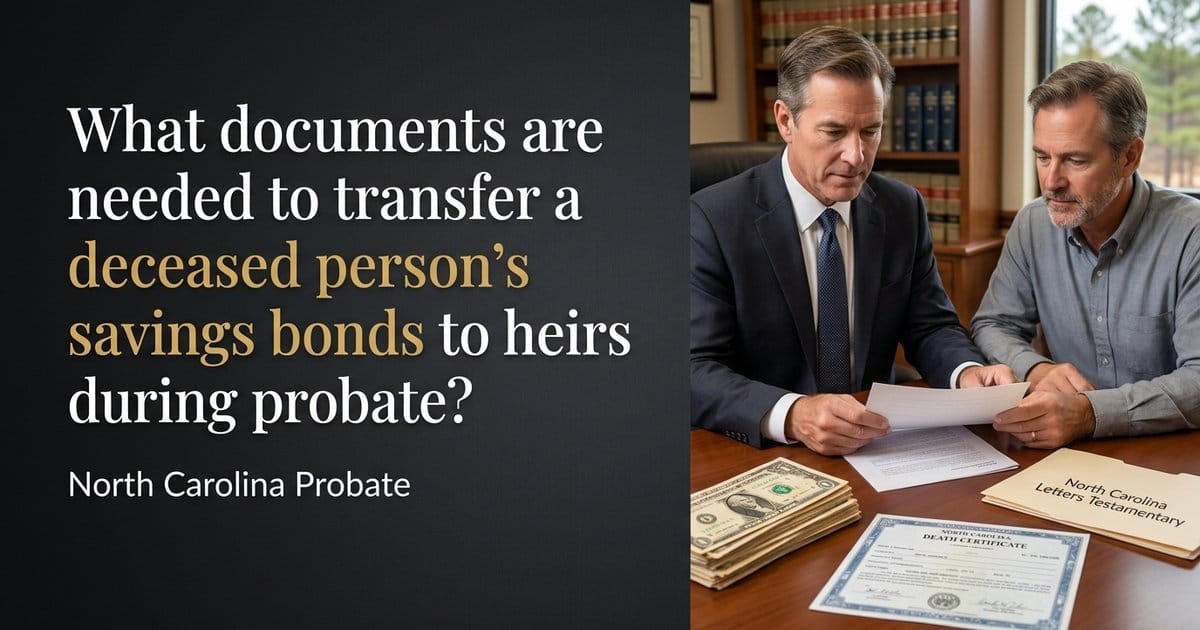
The United States Postal Service requires specific documentation before releasing mail to anyone other than the addressee. Personal representatives must present certified copies of their Letters of Administration or Letters Testamentary issued by the probate court.
How Do You Set Up Mail Forwarding Services?
The postal service offers several options for collecting and forwarding mail after death. The most common approach involves submitting Form 1583 to establish mail forwarding from the deceased person's address to the personal representative's address.
Personal representatives can also request mail holds, which temporarily stops delivery while estate administration proceeds. This prevents mail from accumulating at an unoccupied residence and reduces the risk of identity theft or missed important notices.
What Types of Mail Require Immediate Attention?
Certain mail items demand urgent response during estate administration. Financial statements reveal account balances and ongoing transactions that affect estate valuation. Insurance policies may contain beneficiary designations that bypass probate entirely.
Legal notices, including creditor claims and court documents, carry strict deadlines. Missing these deadlines can result in significant legal complications.
Tax documents require special attention since estates must file final income tax returns. The personal representative becomes responsible for all tax obligations, including any penalties for late filing or payment.
How Long Should You Continue Mail Collection?
Mail collection continues throughout the entire probate process. Even after probate closes, some mail may continue arriving for the deceased person.
Personal representatives should maintain mail forwarding for at least one year after death to capture any delayed correspondence. This extended period helps ensure that all creditors receive proper notice and that no important documents go missing.
What Privacy Protections Apply to Deceased Persons' Mail?
Federal law protects mail privacy even after death. Only authorized individuals with proper legal documentation can access someone else's mail. This protection prevents unauthorized access to sensitive financial and personal information.
Personal representatives must handle collected mail with the same confidentiality they would apply to other estate documents. Sharing mail contents with unauthorized parties could result in privacy violations and potential legal liability.
How Do You Handle Mail for Joint Accounts?
Joint account holders retain full access to mail regarding shared financial accounts. Banks and other institutions typically continue sending statements to surviving account holders without interruption.
However, personal representatives should still monitor this mail to ensure proper estate accounting. Joint accounts may contain funds that belong partially to the estate, requiring careful documentation during administration.
For estate planning needs, creating a revocable living trust can help avoid many mail collection complications by keeping assets out of probate entirely. Additionally, maintaining detailed estate records helps personal representatives track all correspondence and financial documents throughout the administration process.
Sources
Alaska Statutes (§ 13.12.102, § 13.12.102, § 13.12.106, § 13.12.102, § 13.12.104)