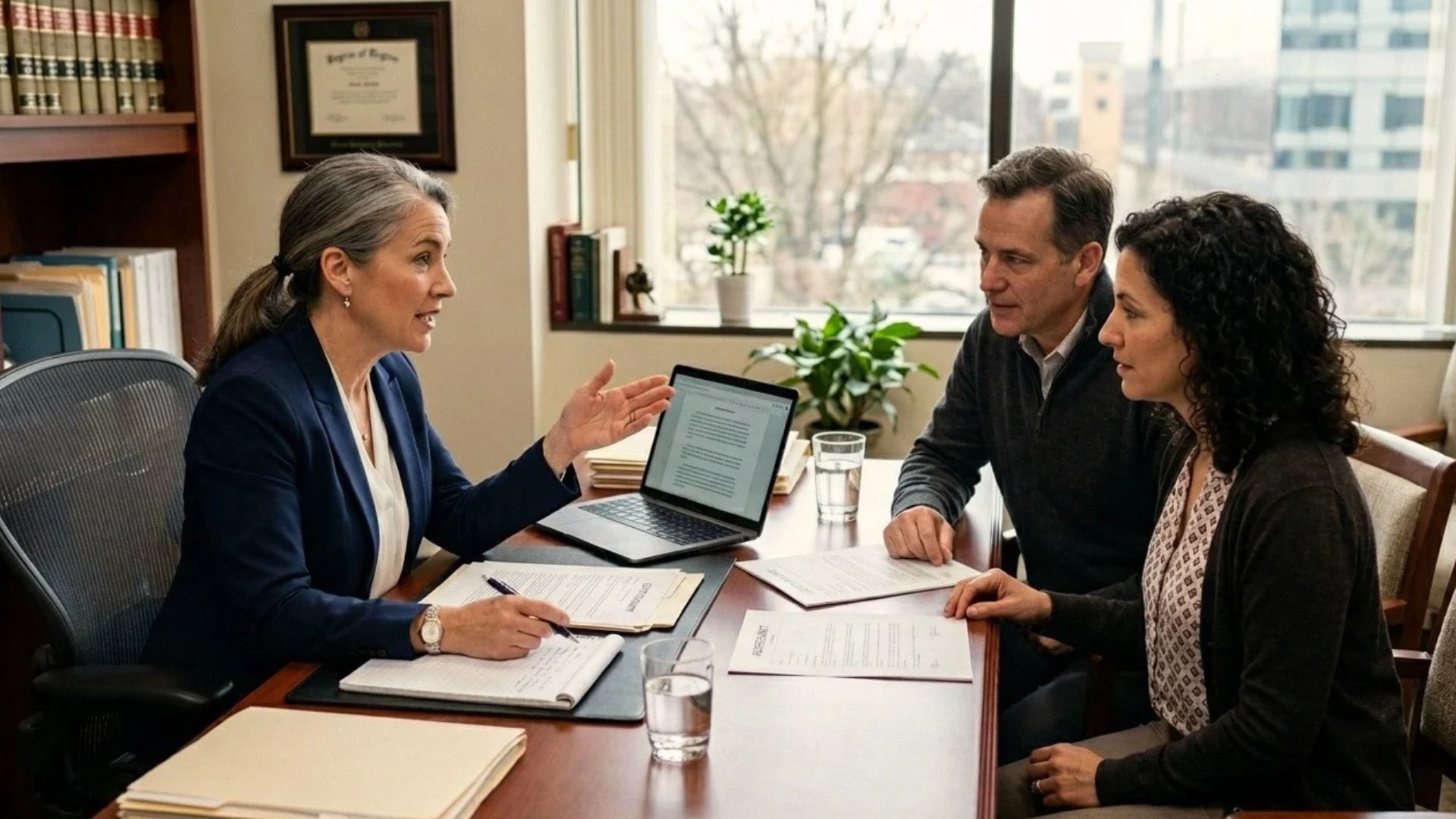
When Estate Planning Requires Professional Legal Help

What Happened
A Colorado estate planning law firm published guidance on when individuals need professional legal assistance versus when DIY estate planning tools might suffice. The analysis examines specific circumstances that require attorney involvement, including complex family structures, business ownership, and multi-state property holdings.
The guidance emphasizes that estate planning attorneys provide more than document preparation. They create coordinated legal structures that align asset ownership, beneficiary designations, and transfer instructions. This coordination becomes critical when estates involve multiple moving parts that must work together seamlessly.
The analysis distinguishes between simple estates that may start with basic documents and complex situations requiring professional guidance. Key factors include business ownership, real estate in multiple states, minor children, blended families, and goals involving trusts or tax planning strategies.
What It Means
Estate planning complexity varies dramatically based on individual circumstances. Simple estates with limited assets and straightforward beneficiaries may function adequately with basic documents. However, as assets grow and family dynamics become more intricate, the risk of planning gaps increases substantially.
The distinction between DIY and professional planning often centers on coordination requirements. Basic templates typically address individual documents but fail to ensure these documents work together effectively. For example, a will may specify asset distribution while beneficiary designations on retirement accounts contradict those instructions. Professional planning addresses these potential conflicts before they create problems.
Business ownership presents particular challenges that generic templates cannot address. Succession planning requires specific legal structures to ensure smooth ownership transitions without operational disruption. Similarly, real estate in multiple states involves varying state laws that affect how property transfers occur. These situations demand professional expertise to navigate successfully.
Context from SimplyTrust
SimplyTrust bridges the gap between basic DIY tools and expensive attorney services by providing attorney-drafted templates with guided completion processes. The platform handles many coordination challenges that basic templates miss, including asset funding instructions and beneficiary designation alignment. Users can create comprehensive estate plans that address common complexity factors without attorney fees.
For situations requiring custom legal provisions beyond standard templates, SimplyTrust users can organize their information and document their wishes, then bring that foundation to an attorney for specialized additions. This approach combines the accessibility of technology with professional expertise where truly needed. The estate planning glossary helps users understand key concepts, while the probate calculator demonstrates potential costs of inadequate planning.