
What Are the Most Effective Wealth Transfer Tips for Families?
Transferring wealth to future generations requires careful planning to minimize taxes, avoid probate delays, and protect assets from creditors. The most effective wealth transfer tips combine strategic timing, proper legal structures, and ongoing communication with beneficiaries.
The federal estate tax exemption currently stands at $15,000,00026 USC 2001(c), 2010; P.L. 119-21 §70106Verified Sep 15, 2026View source per person, allowing married couples to transfer up to $30,000,00026 USC 2001(c), 2010; P.L. 119-21 §70106Verified Sep 15, 2026View source without federal estate taxes. However, effective wealth transfer planning extends far beyond tax considerations.
How Can Trusts Simplify Wealth Transfer?
Trusts serve as powerful vehicles for wealth transfer because they bypass probate entirely. In California, estates valued over $208,850Cal. Prob. Code § 13100Verified Sep 8, 2026View source typically require probate proceedings, which can last 12 months to 18 months.
A revocable living trust allows you to transfer assets to beneficiaries immediately upon death, avoiding court supervision and maintaining privacy. Unlike wills, which become public records during probate, trust distributions remain confidential. This privacy protection becomes particularly valuable for families with significant assets or complex business interests.
Trust funding requires transferring ownership of assets into the trust’s name during your lifetime. This process includes retitling bank accounts, real estate deeds, and investment accounts. The funding process ensures assets transfer smoothly without probate delays.
Why Is Annual Gifting a Smart Wealth Transfer Strategy?
Annual gifting removes assets from your taxable estate while providing immediate benefits to recipients. The annual gift tax exclusion allows you to give $19,00026 USC § 2503(b); Rev. Proc. 2025-32 § 4.42Verified Sep 15, 2026View source per recipient each year without triggering gift tax consequences.
Married couples can combine their annual exclusions, effectively transferring $38,000 per recipient annually. For families with multiple children and grandchildren, this strategy can move substantial wealth over time. A couple with four adult children and eight grandchildren could transfer $456,000 annually through strategic gifting.
Consider gifting appreciating assets rather than cash when possible. Transferring growth potential to younger generations removes future appreciation from your taxable estate. This approach works particularly well with family business interests, real estate, or investment portfolios expected to increase in value.
How Do Generation-Skipping Strategies Maximize Wealth Transfer?
Generation-skipping trusts allow wealth to benefit multiple generations while minimizing transfer taxes. These structures provide income to your children during their lifetimes while preserving principal for grandchildren and future generations.
Dynasty trusts take this concept further by potentially lasting in perpetuity, depending on state law. These trusts can provide ongoing benefits for multiple generations while remaining outside each generation’s taxable estate.
Education funding represents another generation-skipping opportunity. Contributing to 529 plans or establishing education trusts removes assets from your estate while supporting family members’ educational goals.
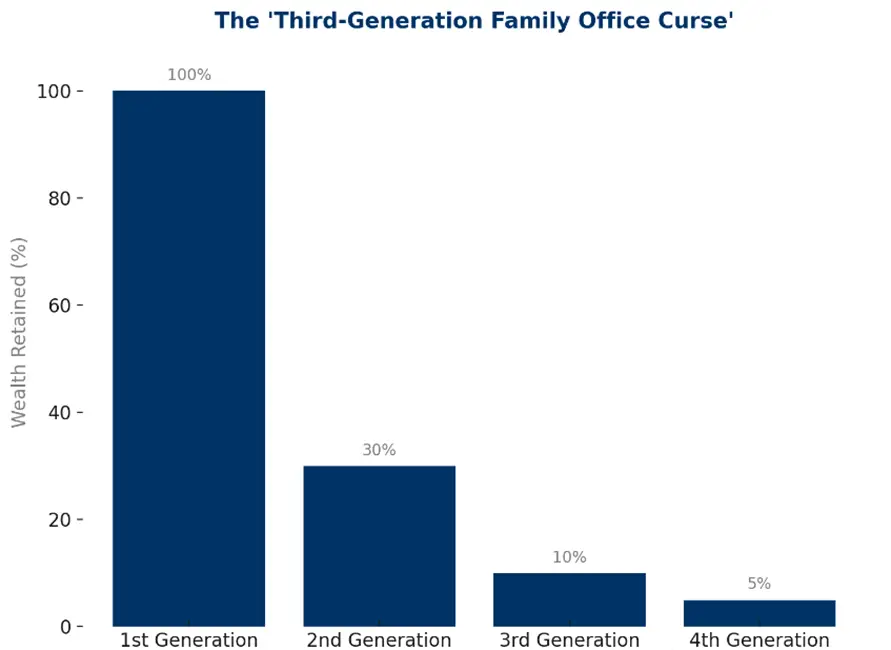
Successful wealth transfer requires ongoing communication with family members about your intentions and expectations. Regular family meetings help ensure beneficiaries understand their roles and responsibilities, reducing potential conflicts after your passing.
Estate & Inheritance Tax Calculator
Sources
- California Statutes (§ 6401, § 6402, § 6403, § 240, § 6401)