California Lawyers Report AI Business Litigation Surge in 2025

California lawyers document surge in AI business litigation as estate planners adapt to new digital assets and technological liabilities.
What Happened
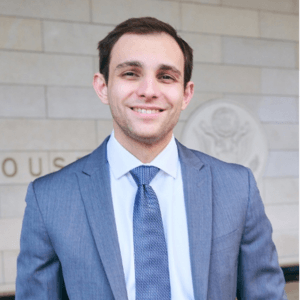
The California Lawyers Association Business Law Committee released a comprehensive report documenting the rise of artificial intelligence-related business litigation throughout 2025. The report, authored by attorney Maxx Sharp of Sharp Law APC, details how generative AI technology has become deeply embedded across industries, creating unprecedented legal challenges and business disputes.
The report reveals that AI-related cases have already been filed in California courts, with legal professionals working to apply existing legal frameworks to new technology-driven disputes. Sharp notes that while AI has become as common as traditional software, its implementation has created both opportunities for enhanced productivity and new forms of liability that businesses must navigate.
The California Lawyers Association has taken proactive steps by passing an American Bar Association Young Lawyer Resolution that cites California’s Generative AI Judicial and Practical Guidance. This resolution compares California’s approach to model rules implemented in other jurisdictions and solicits public comment on AI oversight in legal practice.
What It Means
This surge in AI-related business litigation carries significant implications for estate planning and trust administration in California. When businesses face AI-related disputes, their estate plans must account for new forms of digital assets and technological liabilities that traditional estate planning documents may not address. Companies using AI systems need to ensure their succession plans cover intellectual property rights, trade secrets, and ongoing AI system management.
California’s probate system, which handles estates valued above $208,850Cal. Prob. Code § 13100Verified Sep 8, 2026View source for personal property, now encounters estates containing AI-related business assets that require specialized valuation and management. The 12 months to 18 months probate timeline can become extended when courts must determine ownership and value of proprietary AI systems or resolve ongoing AI-related litigation.
Trust funding becomes more complex when businesses hold AI assets. California recognizes trusts without requiring notarization, but beneficiaries must receive notice within 60 daysCal. Prob. Code §§ 16061.7, 16061.8, 16064, 16460Verified Sep 15, 2026View source of becoming trust beneficiaries. When AI-related business litigation is ongoing, trustees face challenges in managing assets while legal disputes remain unresolved. The 12 monthsCal. Prob. Code §§ 19003, 19010, 19040, 19050, 19100 (elective trustee notice procedure; no duty to initiate).Verified Oct 17, 2026View source creditor claim period for trusts can extend further when AI litigation creates uncertain liability exposure.
Context from SimplyTrust
Modern estate planning must evolve to address technological assets and liabilities that emerge from AI implementation. Business owners using AI systems need comprehensive trust structures that can handle both traditional assets and emerging digital properties. The Estate Ledger feature provides tamper-proof documentation of trust changes, which becomes particularly valuable when AI-related business disputes challenge asset ownership or management decisions.
California’s trust-friendly legal environment, combined with the state’s position at the forefront of AI development, makes proper estate planning essential for technology entrepreneurs and established businesses alike. Regular trust updates ensure that new AI assets and potential liabilities receive appropriate coverage in estate plans.
Source: 2025 AI in Business Litigation Report – California Lawyers Association