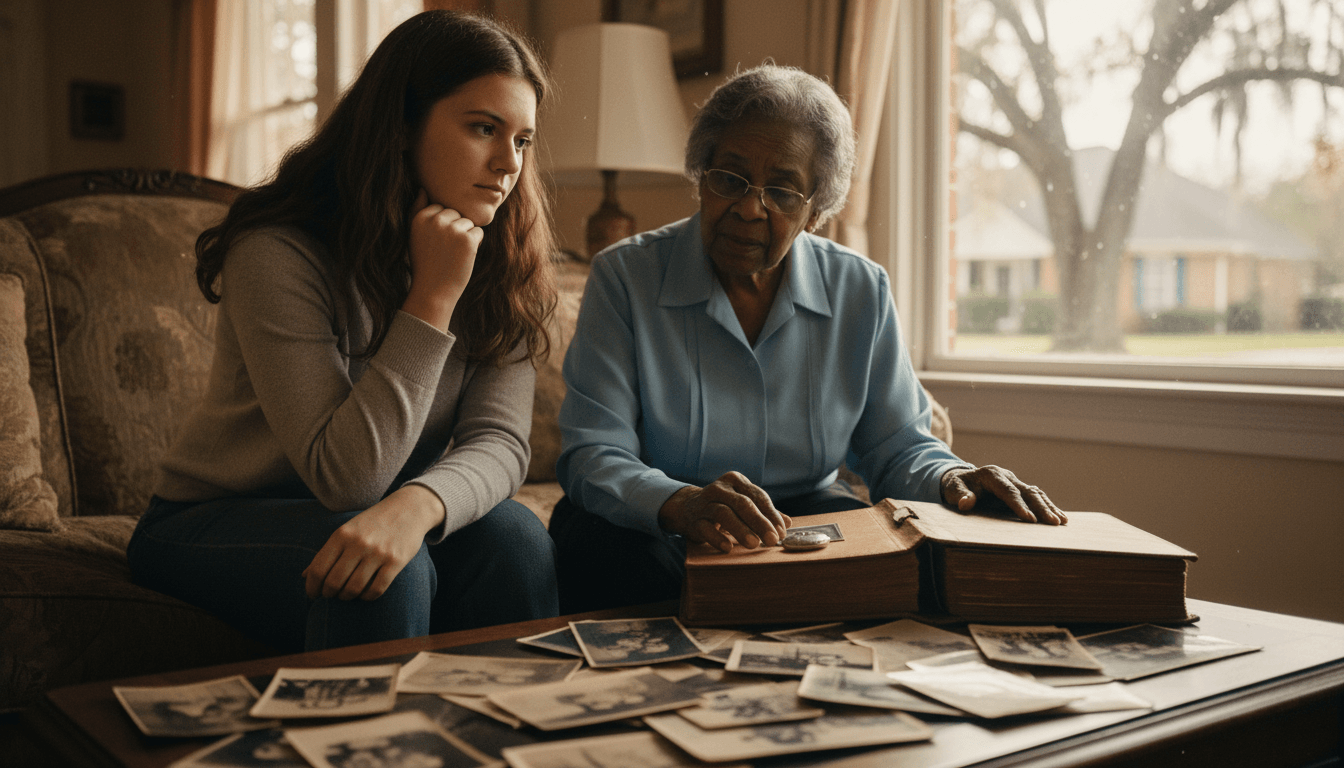
Starting Family Conversations About Estate Planning

Starting conversations about estate planning can feel daunting. Here’s how to approach it with your family.
Have you ever felt overwhelmed by the idea of discussing your estate plans with your family? You’re not alone. For many, the hardest part of estate planning isn’t filling out the forms; it’s finding the courage to start the conversation. However, initiating this dialogue is vital for ensuring that your wishes are honored and your loved ones are prepared when the time comes.
Timing is everything when it comes to these sensitive discussions. It’s best to choose a calm setting, such as a quiet afternoon at home, rather than a family holiday or a stressful moment. By preparing your family for the conversation in advance, you can help them feel more at ease. Consider saying something like, “I want to make sure everything is taken care of if something happens to me.” This approach sets a practical, calming tone and opens up the floor for further discussion.
When the conversation begins, focus on the essentials without overwhelming your family with too much information at once. Key points to cover include where important documents like your will, trust agreements, and advance healthcare directives are located. Additionally, sharing who is appointed as your executor, power of attorney, or healthcare proxy helps clarify your wishes and ensures everyone knows their roles.
It’s important to remember that not everyone will react positively to these discussions. Some may feel uncomfortable or resistant. If tensions rise, consider involving a neutral third party, such as a family counselor or estate planning attorney. This can help facilitate the conversation and keep it focused on sharing information rather than sparking arguments.
Lastly, remember that estate planning is not a one-time conversation. As your circumstances change, so too should your discussions with your family. Regular updates help build trust and reduce stress, ensuring everyone stays informed. By taking the time to discuss your plans now, you save your loved ones from confusion and conflict later, especially during an emotional time.
So, take that first step—start the conversation about your estate planning today. It may be difficult, but it’s one of the most caring things you can do for your family.