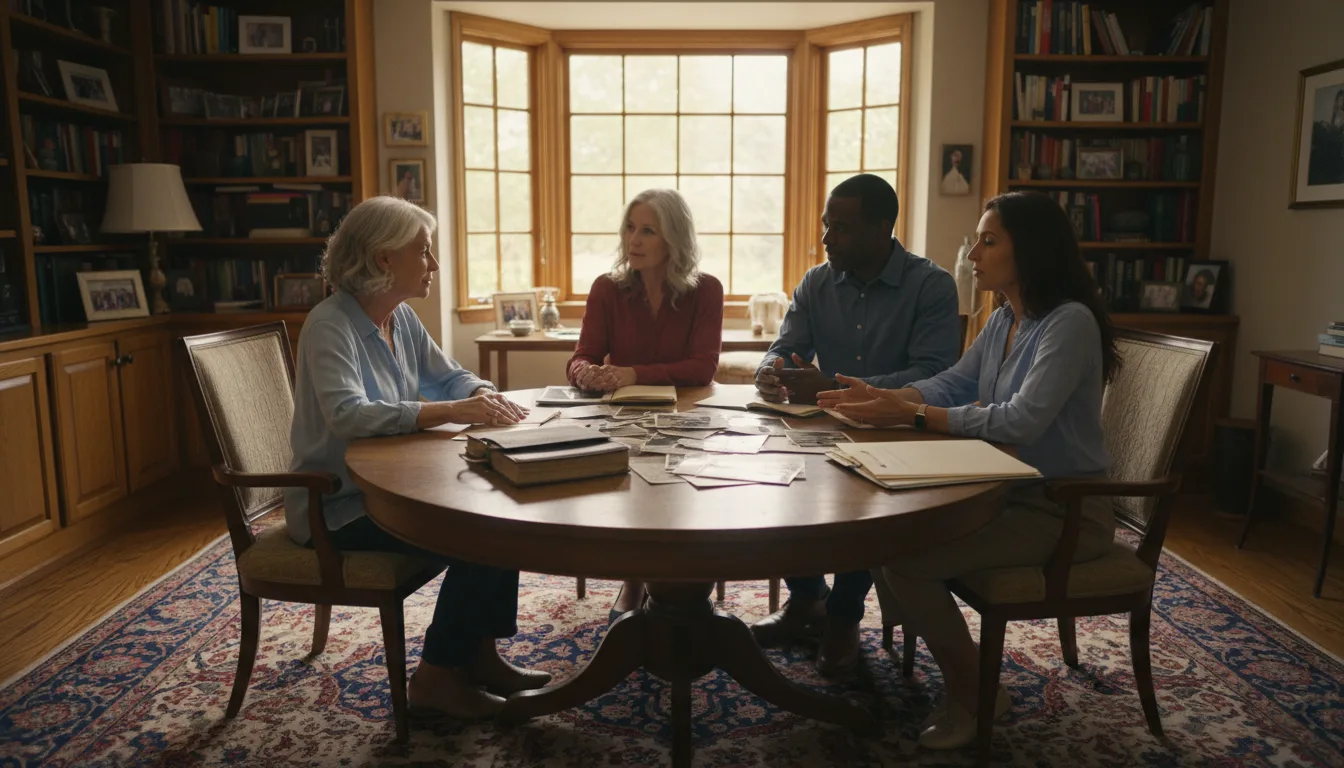
Shifts in Estate Planning: Embracing New Mediation Approaches

Explore how mediation is transforming estate planning disputes.
Have you noticed how the landscape of estate planning is evolving? With trillions of dollars poised to change hands as the Baby Boom generation ages, the way we handle disputes over trusts and estates is undergoing a significant transformation. One noteworthy shift is the increasing reliance on alternative dispute resolution (ADR) methods, particularly mediation, to manage conflicts in estate planning.
The Honorable John H. Sugiyama, a retired judge with extensive experience in probate law, sheds light on these changes. He emphasizes that traditional approaches may no longer suffice in the face of complex family dynamics and assets. By embracing mediation, families can find more amicable solutions to disputes, preserving relationships while addressing their legal needs.
One of the most compelling aspects of this shift is the potential for mediation to reduce costs and time associated with litigation. In many cases, mediation can resolve disputes in a matter of sessions rather than dragging on for months or even years in court. For families working through the emotional challenges of losing a loved one, this can be a vital consideration. The mediation process encourages open communication and collaboration, often leading to more satisfactory outcomes for all parties involved.
This paradigm shift from litigation to mediation also reflects broader trends in our society, where collaborative approaches are increasingly favored over adversarial ones. As the legal field adapts, practitioners are encouraged to develop skills in negotiation and mediation. This not only benefits their clients but also positions them as forward-thinking professionals in a rapidly changing environment.
As you explore your own estate planning options, consider the role that mediation could play in your family’s future. Engaging with a mediator can provide a neutral ground to address concerns and negotiate terms that work for everyone. This approach not only saves time and money but also fosters a sense of cooperation and understanding during a challenging time.
In conclusion, the evolution of dispute resolution in estate planning is an encouraging development. By prioritizing mediation, families can navigate the complexities of inheritance and trusts with greater ease. So, if you haven’t yet considered how these changes might impact your estate planning, now is the perfect time to start thinking about it.